Applications
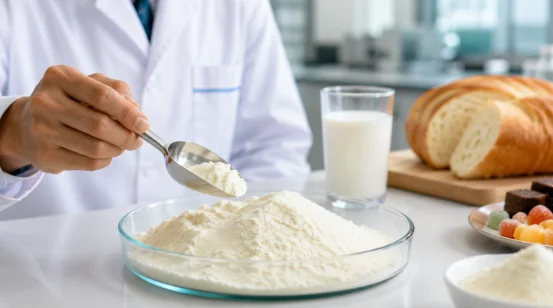
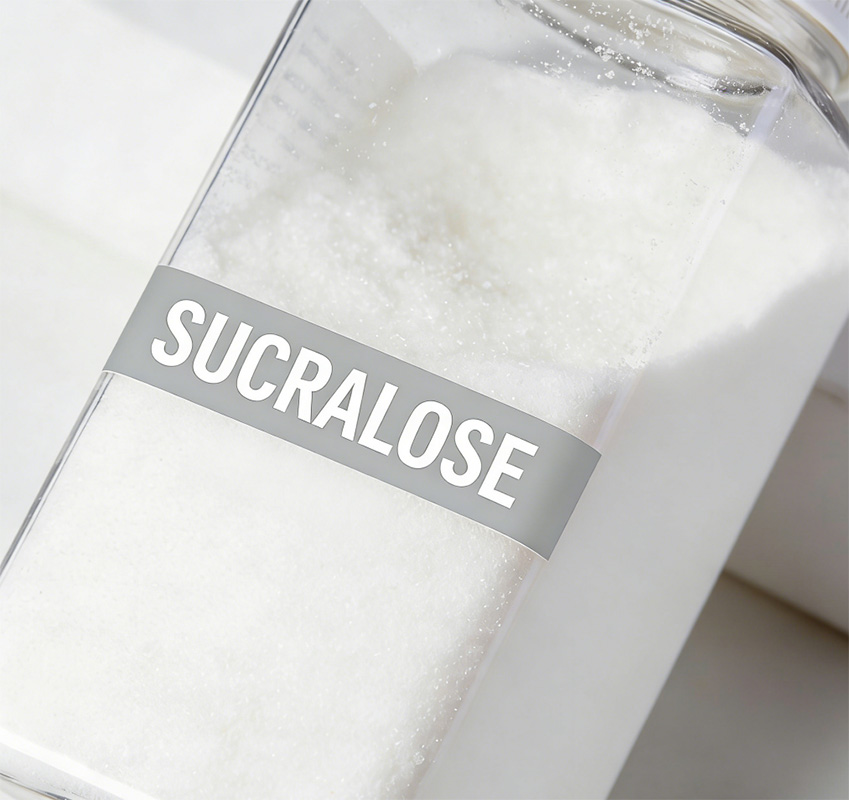
Sucralose is widely used in:
- Beverages – Diet soft drinks, powdered drink mixes, flavored waters, and juice drinks.
- Dairy products – Yogurt, ice cream, and flavored milk.
- Bakery & confectionery – Cookies, cakes, chewing gum, and sugar-free candies (due to heat stability).
- Tabletop sweeteners – As a key ingredient in granulated or liquid sugar substitutes.
- Pharmaceuticals & nutraceuticals – To mask bitterness in syrups and lozenges.
Technical Specifications
| Product Name |
Sucralose |
| CAS No. |
56038-13-2 |
| Appearance |
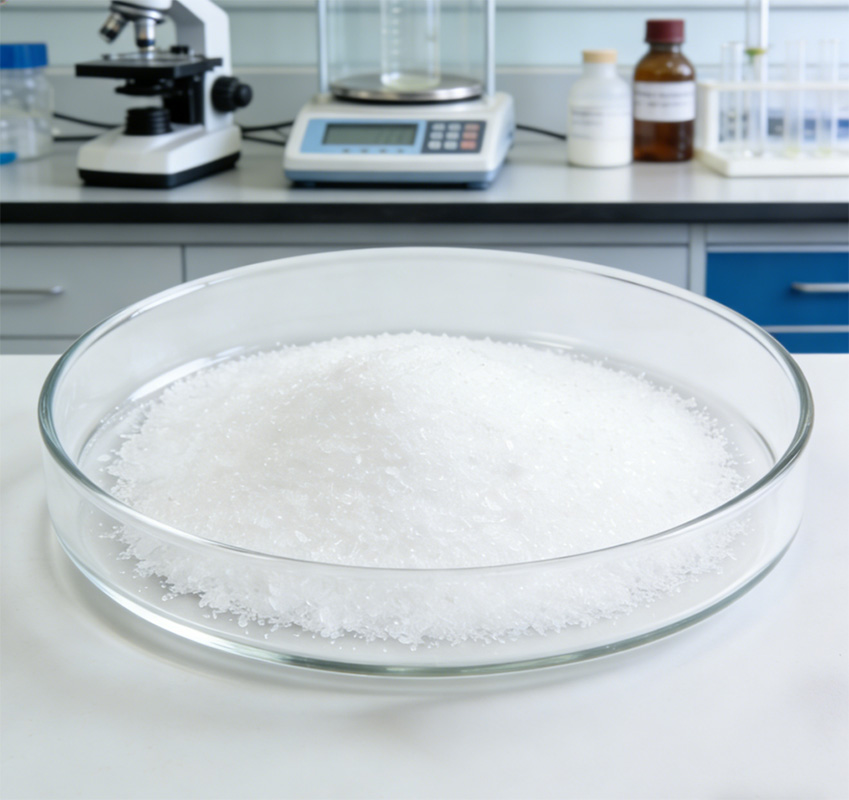
White crystalline powder |
| Assay |
≥ 98.0% |
| Loss on Drying |
≤ 2.0% |
| Specific Rotation |
+84.0° to +87.5° |
| Heavy Metals (as Pb) |
≤ 10 mg/kg |
| Solubility |
Freely soluble in water, methanol, and slightly soluble in ethanol |
| Sweetness |
Approx. 600 times sweeter than sucrose |
| Packaging |
1kg/aluminum bag, 5kg, 25kg fiber drum with double liner |
FAQ
Q1: How does Sucralose compare to other sweeteners like Aspartame?
A: Sucralose is heat-stable, making it suitable for baking, while Aspartame breaks down at high temperatures. Sucralose also has a longer shelf life in liquid products and a cleaner sweetness profile closer to sugar.
Q2: Is Sucralose safe for diabetics?
A: Yes, Sucralose is not recognized by the body as a carbohydrate and is not metabolized for energy, so it does not raise blood sugar or insulin levels.
Q3: What is the typical usage level?
A: Usage is very low due to its high potency, typically ranging from 0.01% to 0.05% in finished products, depending on the desired sweetness level.
Q4: Is it approved globally?
A: Yes, Sucralose is approved for use in over 100 countries, including by the FDA (USA), EFSA (EU), JECFA, and other national authorities.
Q5: Does it contain calories?
A: No, Sucralose provides zero calories per serving.
Q6: What is the MOQ?
A: Standard MOQ is 1kg for samples and 25kg for production orders.
Additional Features
- Highly stable in liquid formulations over extended shelf life.
- Can be used in combination with other sweeteners for synergistic effects and cost optimization.

.jpg)
.jpg)