Applications
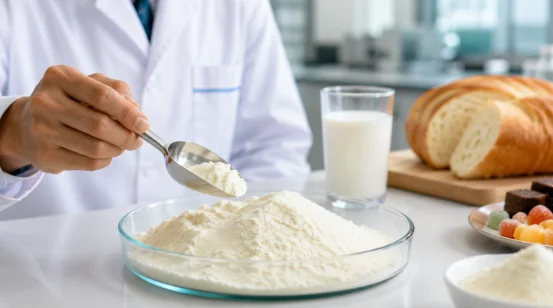
Potassium Sorbate is widely used in:
- Beverages – Still drinks, fruit juices, wine, and soft drinks to prevent refermentation and spoilage.
- Dairy products – Cheese, yogurt, and sour cream to inhibit surface mold.
- Baked goods – Cakes, pie fillings, and pastries (often applied as a surface spray).
- Processed meats – Some sausages and dried meats.
- Sauces & condiments – Ketchup, mayonnaise, salad dressings, and soy sauce.
- Dried fruits & snacks – As a surface treatment.
Technical Specifications
| Product Name |
Potassium Sorbate (Food Grade) |
| CAS No. |
590-00-1 / 24634-61-5 |
| Appearance |
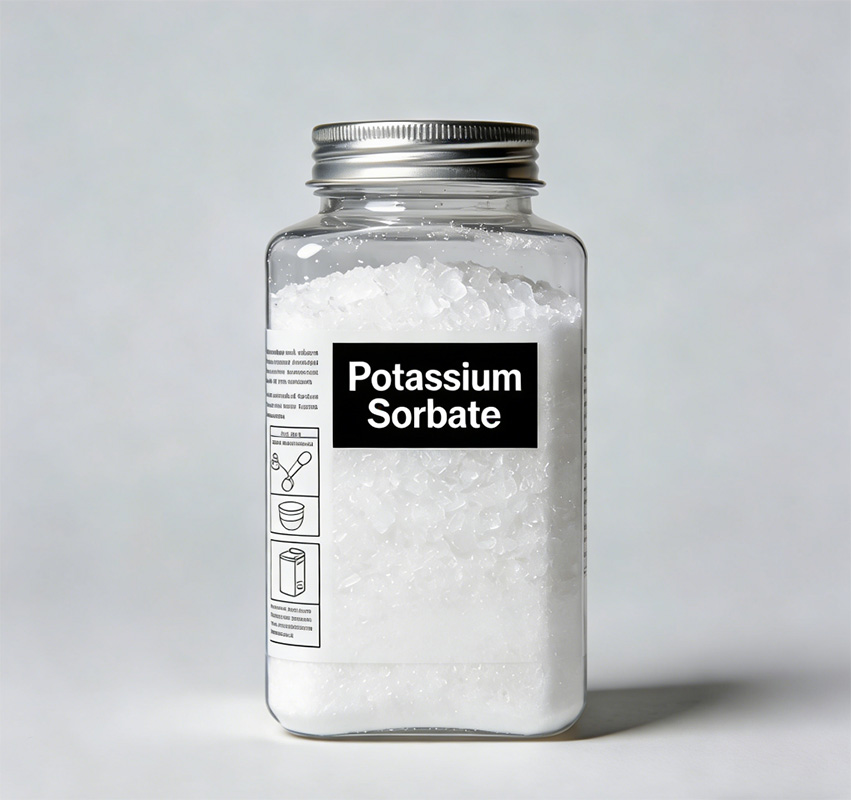
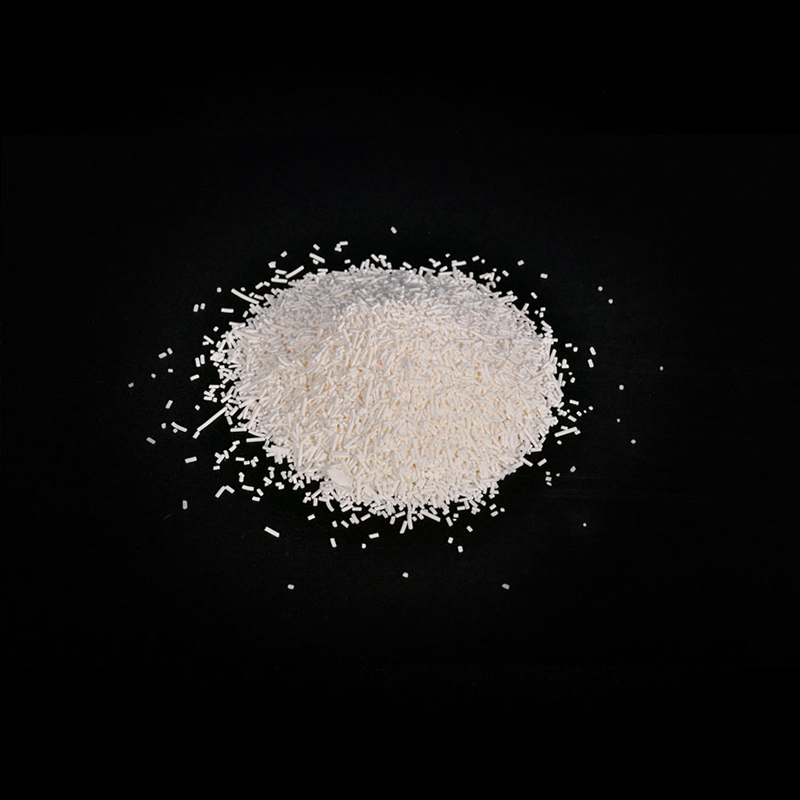
White crystalline granules or powder |
| Assay (on dried basis) |
98.0% – 101.0% |
| Loss on Drying |
≤ 1.0% |
| pH (10% solution) |
7.0 – 9.0 |
| Heavy Metals (as Pb) |
≤ 10 mg/kg |
| Sorbitic Acid Content |
≥ 99.0% (after conversion) |
| Solubility (in water, 20°C) |
Approx. 58g/100ml |
| Packaging |
25kg multi-wall paper bag with PE liner |
FAQ
Q1: What is the difference between Potassium Sorbate and Sodium Benzoate?
A: Both are preservatives. Potassium Sorbate is more effective against molds and yeasts, especially at higher pH. Sodium Benzoate is more effective against bacteria and works best in very acidic conditions (pH < 4.5). They are sometimes used together.
Q2: What is the typical usage level?
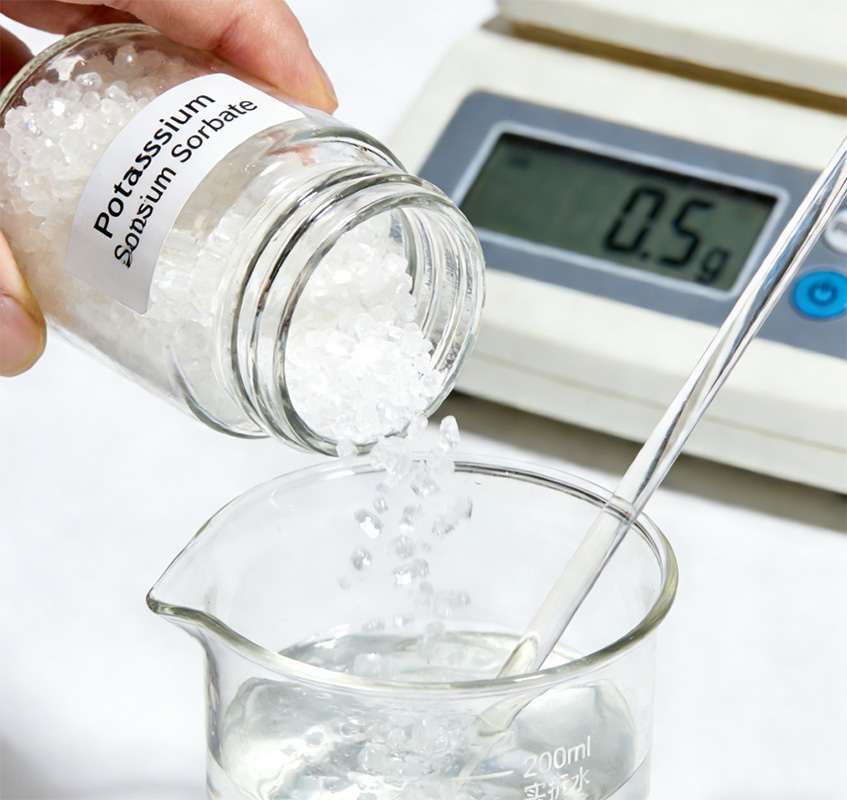
A: Typical usage ranges from 0.025% to 0.1% (250-1000 ppm), depending on the product, pH, and desired shelf life. Legal limits vary by country and application.
Q3: Is it natural?
A: Sorbic acid (the acid form) occurs naturally in some berries, but commercial Potassium Sorbate is produced synthetically. It is considered a nature-identical preservative.
Q4: How should it be stored?
A: Store in a cool, dry, well-ventilated place away from moisture and strong oxidizers. Keep container tightly closed.
Q5: Does it require a specific pH to be effective?
A: Yes, it is most effective in products with a pH below 6.5. Its efficacy decreases as pH increases.
Q6: What is the MOQ?
A: Standard MOQ is 25kg (1 bag). Sample quantities are available.
Additional Features
- Complies with Food Chemical Codex (FCC), USP, and EU food grade standards.
- Can be supplied with Kosher and Halal certifications.

.jpg)


.jpg)