Applications
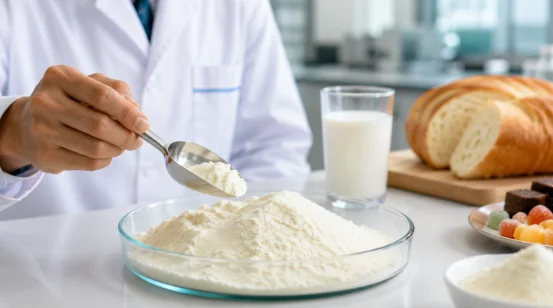
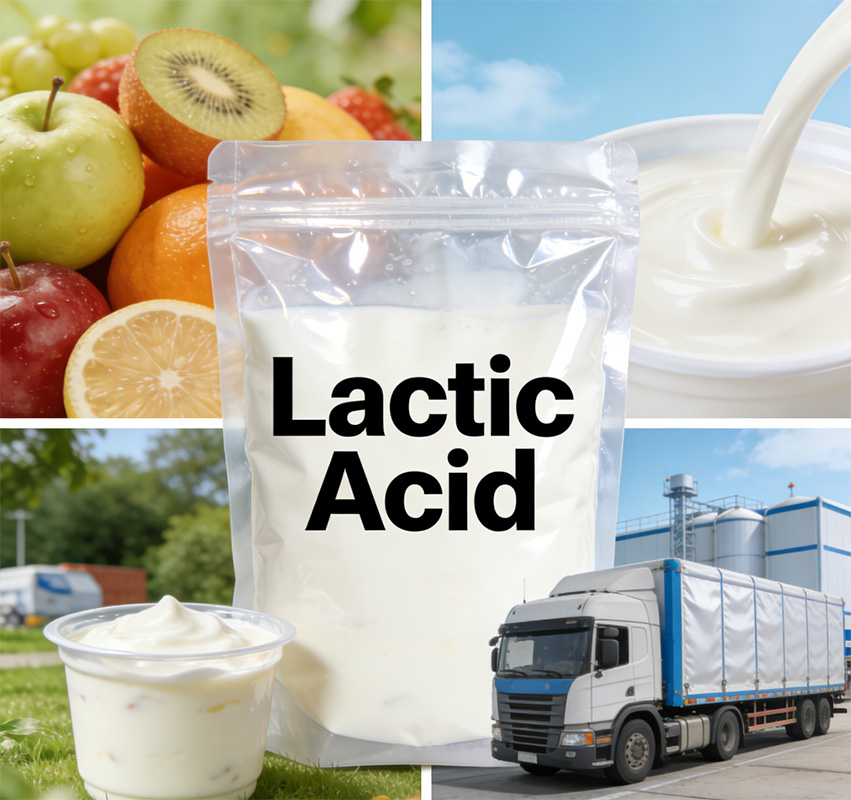
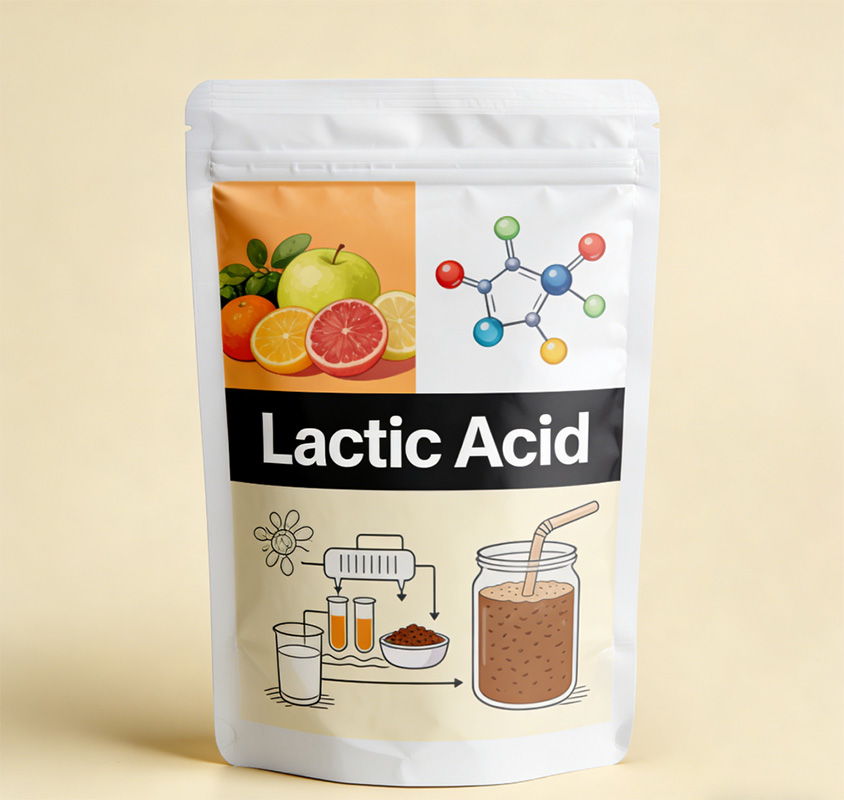
Lactic Acid 80% is widely used in:
- Dairy products – Natural acidulant in yogurt, cheese, and sour cream; also produced in-situ during fermentation.
- Beverages – Adds mild tartness to fruit juices, soft drinks, and sports drinks.
- Confectionery – Acidulant in fruit gums, hard candies, and sour sugar coatings.
- Meat & poultry – Flavor enhancer, pH adjuster, and antimicrobial agent in marinades and processed meats.
- Pickled vegetables – Provides characteristic tang in olives, pickles, and sauerkraut.
- Personal care – pH adjuster and moisturizer in skincare products.
Technical Specifications
| Product Name |
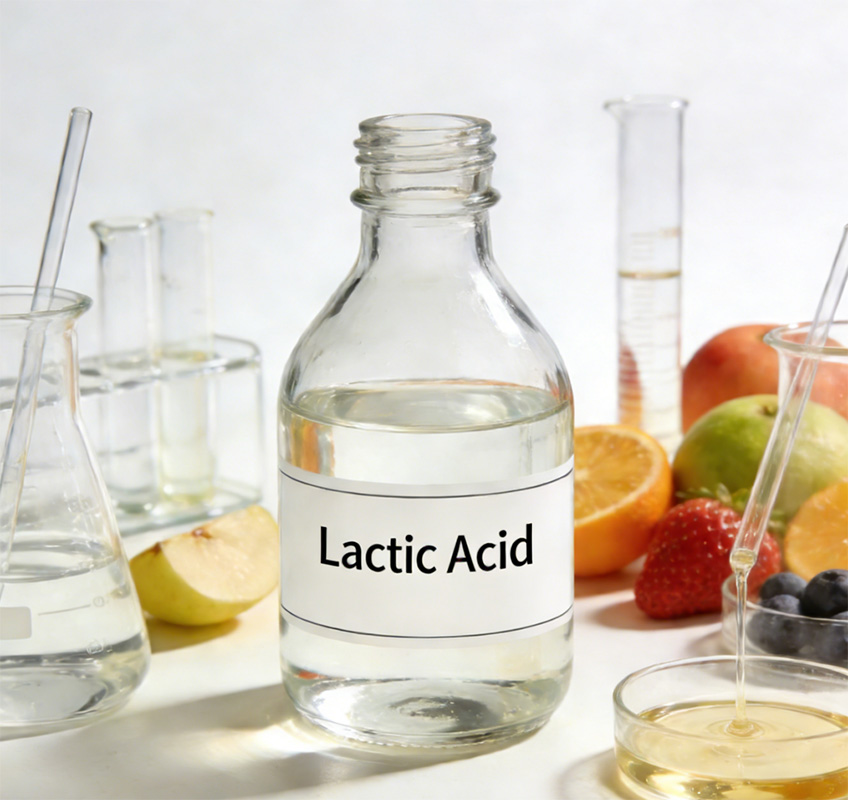
Lactic Acid 80% (Food Grade) |
| Concentration |
80% ± 2% (w/w) |
| Appearance |
Colorless to slightly yellow syrupy liquid |
| Specific Gravity (20°C) |
Approx. 1.20 |
| Lactic Acid Isomers |
L(+) form, D(-) form, or racemic mixture (specify) |
| Sulfate Ash |
≤ 0.1% |
| Chloride (as Cl) |
≤ 0.2% |
| Heavy Metals (as Pb) |
≤ 10 mg/kg |
| Iron (Fe) |
≤ 10 mg/kg |
| Packaging |
25kg or 250kg HDPE drum, 1000kg IBC tank |
FAQ
Q1: What is the difference between L(+), D(-), and DL-Lactic Acid?
A: They are stereoisomers. L(+)-Lactic acid is the form naturally produced and metabolized by the human body. D(-)-Lactic acid is less common. DL-Lactic acid is a 50/50 mixture. For food, L(+) or DL forms are typically used. L(+) is often preferred for “natural” labeling.
Q2: Is lactic acid suitable for vegan products?
A: Yes, commercially, lactic acid is produced via microbial fermentation of plant-based sugars (e.g., corn, beet sugar), making it suitable for vegan and vegetarian products. It is not derived from dairy.
Q3: How does it compare to citric acid in taste?
A: Lactic acid has a smoother, more lingering sourness, while citric acid has a sharp, quick “burst” of tartness. Lactic acid is often described as “creamy” or “yogurt-like.”
Q4: What are the storage conditions?
A: Store in a cool, dry, well-ventilated place. Keep containers tightly closed. Avoid contact with strong oxidizing agents and bases. It is corrosive; handle with care.
Q5: What is the MOQ?
A: Standard MOQ is one 25kg drum. For IBC or bulk tanker shipments, please inquire.
Q6: Can it be used in bakery?
A: Yes, it is used as an acidulant in sourdough bread (often in dried form) and to control pH for proper leavening and crust color development.
Additional Features
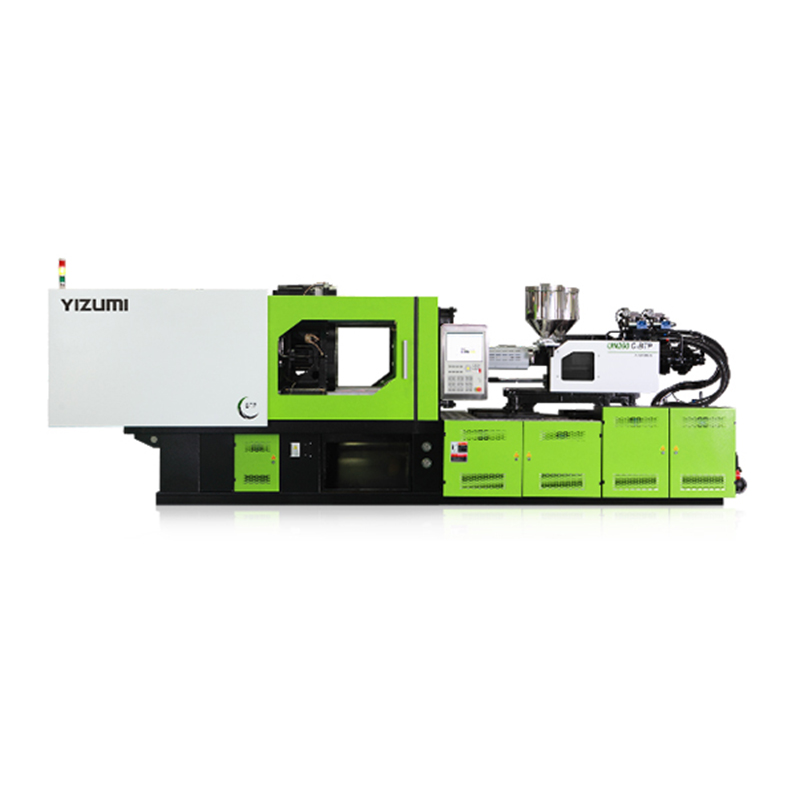
- Can be used in the production of polylactic acid (PLA), a biodegradable plastic.
- Technical data sheet (TDS) and material safety data sheet (MSDS) provided.

.jpg)
.jpg)