Applications
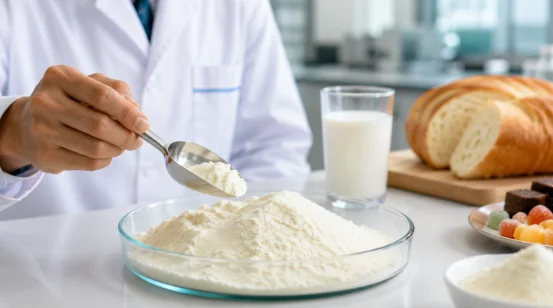
Lactic Acid Bacteria Cultures are widely used in:
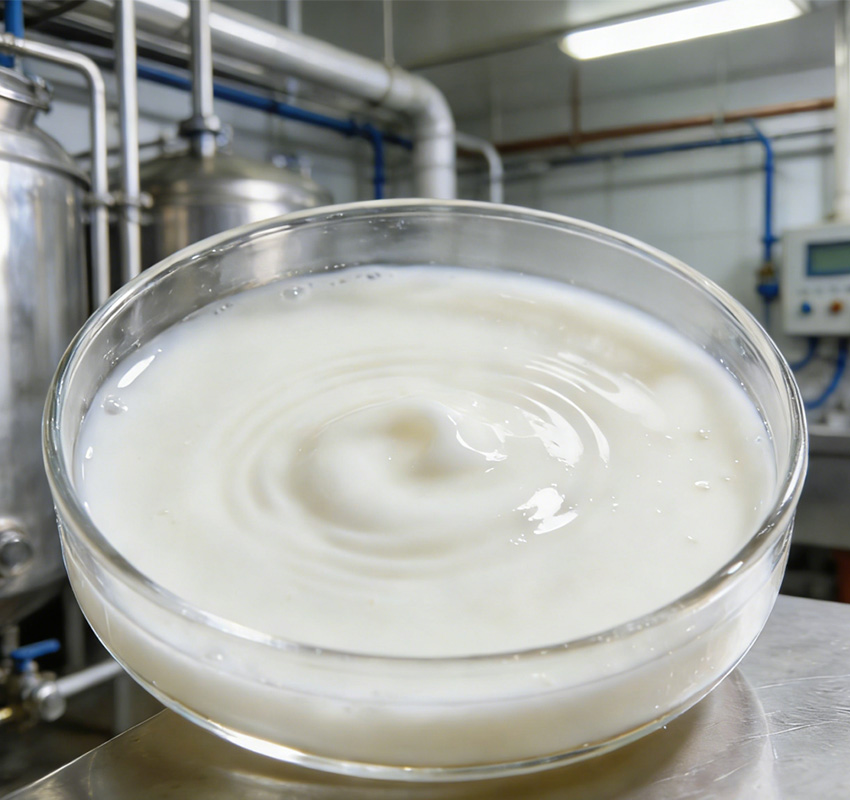
- Dairy fermentation – Production of yogurt, cheese (cheddar, mozzarella, cottage), sour cream, and kefir.
- Fermented vegetables – Sauerkraut, kimchi, pickles, and olives.
- Meat fermentation – Production of fermented sausages (salami, pepperoni).
- Probiotic supplements & beverages – Direct-inoculation for probiotic drinks, shots, and dietary supplements.
- Bakery (sourdough) – As part of sourdough starter cultures.
Technical Specifications
| Product Name |
Lactic Acid Bacteria (LAB) Culture |
| Product Type |
Direct Vat Set (DVS) Starter Culture / Bulk Starter Culture |
| Common Strains |
L. bulgaricus, S. thermophilus, L. acidophilus, L. casei, Bifidobacterium spp., etc. |
| Physical Form |
Freeze-dried powder (most common) or frozen pellet/concentrate |
| Viable Cell Count |
Typically 10^9 to 10^11 CFU/g (for freeze-dried powders) |
| Storage Temperature |
Freeze-dried: ≤ -18°C (long-term) or refrigerated (short-term); Frozen: ≤ -45°C |
| Inoculation Rate |
Varies: e.g., 0.01% – 0.05% for yogurt, DCU (Direct Culture Units) per liter of milk |
| Fermentation Time/Temp |
Strain-specific guidance provided (e.g., 42°C for 4-6 hours for yogurt) |
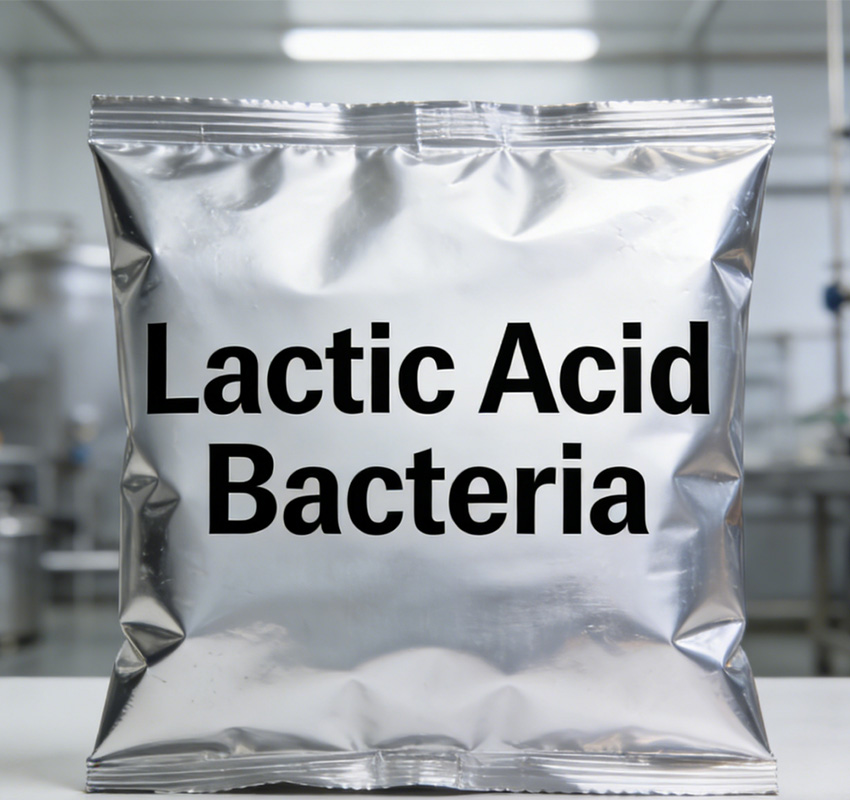
| Packaging |
Aluminum foil sachets (e.g., 50g, 100g, 500g) for DVS; bulk bags for industrial use |
FAQ
Q1: What is the difference between a starter culture and a probiotic culture?
A: Starter Cultures are primarily used for fermentation (acid production, flavor, texture). Probiotic Cultures are defined by their ability to confer a health benefit when consumed alive in sufficient amounts. Many strains serve both functions (e.g., L. acidophilusin yogurt).
Q2: How should the culture be stored and handled?
A: Freeze-dried cultures must be stored frozen (-18°C or below) for long-term stability. They can be briefly refrigerated before use. Frozen cultures must be stored at -45°C or below. Avoid repeated freeze-thaw cycles. Handle aseptically to prevent contamination.
Q3: Can I use your culture for homemade yogurt?
A: Our products are primarily designed for industrial-scale production. The inoculation rates and handling are optimized for large batches. For home use, commercial yogurt starters or active store-bought yogurt as a starter is recommended.
Q4: Do you offer customized culture blends?
A: Yes, we work with culture suppliers to provide blends tailored to your specific needs: specific flavor profiles (mild, tart), texture (ropy, firm), phage resistance, and fast or slow acidification rates.
Q5: What is the shelf life?
A: For freeze-dried cultures stored at ≤ -18°C, shelf life is typically 12-24 months. For frozen concentrates, it is typically 6-12 months at ≤ -45°C.
Q6: Do you provide technical support for fermentation process setup?
A: Yes, we provide strain selection advice, recommended inoculation procedures, and basic fermentation parameters. For complex setups, we can connect you with our technical partners.
Additional Features
- Selection of phage-resistant strains for production stability.
- Cultures for specific applications like lactose-free dairy or vegan fermented products.
· Certificate of Analysis (COA) confirming strain identity and viable count

.jpg)
.jpg)