Nullam dignissim, ante scelerisque the is euismod fermentum odio sem semper the is erat, a feugiat leo urna eget eros. Duis Aenean a imperdiet risus.
Nullam dignissim, ante scelerisque the is euismod fermentum odio sem semper the is erat, a feugiat leo urna eget eros. Duis Aenean a imperdiet risus.
 author
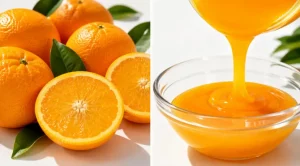
Have you ever noticed the words “from concentrate” on a juice carton? You might wonder what that actually means. What is orange juice concentrate? Simply put, it is regular orange juice. But, a big chunk of its natural water is taken out. This makes a thick, strong fruit base. It takes up way less space. Because of this, it is very easy to store. It is also much cheaper to ship than normal, watery juice. Later on, you can just mix water back into it. Or, you can put it straight into a food recipe.
Factory workers love using orange juice concentrate. It helps them control the exact fruit taste. They can also balance the sourness, the fruit bits, and the pulp easily. People use this thick juice in lots of things. You will find it in tasty drinks and creamy dairy goods. It also goes into sweet candies, yummy bakery fillings, cold ice cream, and even savory sauces.
When a drink says “juice from concentrate,” the idea is simple. Workers took the water out at the factory. Then, someone added fresh water back in later. This step makes the final drink you buy at the store. Many folks think this means the juice has extra sugar. But that is not true. It just means the water was swapped out.
Thick, concentrated orange juice holds a lot more fruit solids than your normal morning drink. On the other hand, orange juice from concentrate is different. It already has water mixed in to hit the perfect strength.
You might see the letters FCOJ. FCOJ means frozen concentrated orange juice. In big factories, a very standard type is 65 Brix orange juice concentrate. The Brix number is a big deal. It tells us how sweet and thick the juice is. However, Brix does not tell the whole story. It will not show you the sourness or the pulp level. It also skips details about color, smell, or if it has germs.
Making this thick juice all begins with picking great fruit. Farmers pick fully grown, ripe oranges. Next, workers wash them super well. They check every single orange before squeezing the juice out.
First, the fresh oranges get a good bath. People sort them into groups. Then, machines squeeze them for juice. Any bad or bruised fruit is thrown away. Why? Because bad fruit tastes funny. It can also bring harmful germs into the batch. Plus, if too much oil from the peel or too much pulp gets in, the juice turns bitter. Nobody wants a bitter drink.
Big factories do a few extra steps. They might use special enzymes to treat the juice. They also filter it and spin it really fast in a machine. All these actions help clear out floating bits in the juice. Buyers can choose how much pulp they want. There are low, medium, and high pulp choices. Different recipes need different amounts of pulp.
Next, they use a fancy vacuum to remove the water. This vacuum works at a low heat. It does not boil the juice. Boiling would ruin the fresh taste. This cool step raises the orange juice concentrate Brix. It also shrinks the size of the juice bundle, making shipping a breeze. After that, they heat the juice quickly to kill tiny bugs. Finally, the thick liquid goes into super clean packages. They freeze it solid. Then, trucks keep it freezing cold all the way to its new home.
A normal batch comes with clear rules. It must have at least 65° Brix. The sourness, or acidity, should be 1.2% to 1.8% as citric acid. Also, it has a 24-month shelf life if you keep it at or below minus 18°C. For big buyers, you will often see a huge 220 kg aseptic bag inside a tough steel drum. Sometimes, they even ship it in giant metal tanks.

This strong juice is not just for your morning meal. It does so much more. Cooks and factories use it as the main flavor for many treats. Sometimes, it is just one small piece of a giant, secret recipe.
Drink makers love it. They put it in pure 100% juice, fizzy sodas, and sweet fruit punch. It also adds a zing to flavored water, thick smoothies, and fruit mixes. Milk products are a bit tricky, though. You have to watch the sourness closely. Citrus juice can mess up milk proteins. It makes the milk get clumpy. So, doing a small test run is very smart. Nobody wants to stop a giant factory line just because the drink turns chunky in the vat. Also, if the orange taste is too sharp, cooks have a neat trick. They mix in some apple juice concentrate to smooth out the strong bite.
Food makers also use this juice in fun ways. It gives a sweet kick, a nice tartness, bright color, and a fresh smell. You will taste it in cold ice cream, bouncy jelly, and chewy candy. Bakers put it in fluffy cakes, sweet fillings, and shiny glazes. Cooks even whisk it into salad dressings, meat marinades, and rich sauces. But remember, hot ovens and stoves can change the final taste. The orange flavor might shift. Because of this, testing the recipe in a small kitchen is always a big deal.
So, how do you turn this thick paste back into normal juice? You have to learn how to mix it right. This begins with simple math. There is no magic, fixed rule for mixing water and juice. First, you must know the starting Brix. Then, you decide the final target Brix you want.
Here is the simple math to use:
Final batch mass = concentrate mass × concentrate Brix ÷ target Brix.
Water to add = final batch mass minus concentrate mass.
Let us look at a math example. Say you have 100 kg of 65° Brix concentrate. You want to water it down to 11.8° Brix. This mix gives you roughly 550.85 kg of finished juice. To do this, you would add about 450.85 kg of water.
Keep in mind, this 65 Brix orange juice concentrate dilution is just a basic example. Always test the real batch. You should use a special tool called a refractometer. Then, test acidity, flavor, color, and pulp. Math looks perfect on paper. However, the real juice tank always needs a final human check.
First, let the frozen paste warm up just a little bit. Keep the room cool while doing this. Next, move it to a clean tank. Pour in most of your calculated water. Stir it up until it is smooth and uniform.
After that, check the Brix number again at the proper temperature. Pour in the remaining water very slowly. Then, test everything to match your rules. Mixing by weight is the best way to do it. That is because the juice density changes with the heat and the Brix.
Also, never freeze and melt the juice over and over. Doing that ruins the yummy flavor and dulls the bright color. Always leave the package closed when warming it up. Just follow the storage instructions provided with the shipment.
Picking a good company to buy from is very important. A solid partner should give you more than just a low price. They need to show you clear specifications. You must be able to track where the juice came from. They should do pre-shipment checks. Good partners offer great frozen logistics. They also hand over all the right documents for your destination market.
This is where HUAFEI jumps in to help. HUAFEI supplies food ingredients, flavor boosters, and packaging materials. They also provide production resources. They know a lot about selling in African markets. They are especially good at working in Nigeria.
Their team does so many jobs. Their services cover sourcing and supplier qualification. They track batch traceability and do pre-shipment inspection. They handle warehousing, logistics, shipping, and customs support. They give you all the export documents too. Their orange concentrate options are very neat. You can ask for adjustable Brix, acidity, and pulp content. They even support blending and product development.
This extra help is awesome. Sometimes, a project later calls for stabilizers, flavors, or packaging. Buying supplies rarely stays inside one tidy category. It gets messy, so a good partner is key.
Q1: What is orange juice concentrate?
A: It is just regular orange juice. But, a big part of the natural water is taken out. This creates a stronger ingredient packed with higher soluble solids.
Q2: What is FCOJ?
A: FCOJ means frozen concentrated orange juice. Factories keep it very cold. Later, people reconstitute it or use it straight away in a food formula.
Q3: Does orange juice concentrate have added sugar?
A: Not always. The kind we talk about here comes from fresh oranges. It has zero added sugar or fake stuff. But, you should always read the ingredient statement and specification just to be safe.
Q4: How much water should you add to orange juice concentrate?
A: The amount changes every time. It depends on your starting and target Brix. Do not use a fixed ratio. Use a mass balance math step instead.
Q5: How should frozen orange juice concentrate be stored?
A: Keep it at the stated frozen temperature. Protect the packaging and maintain the cold chain. Never let it warm up and freeze again.

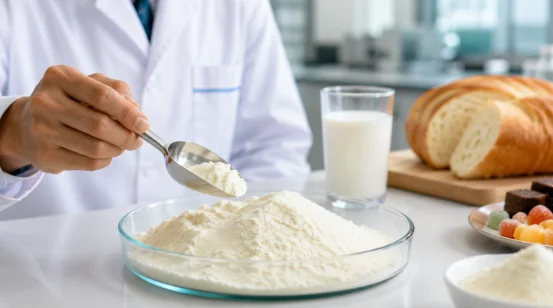
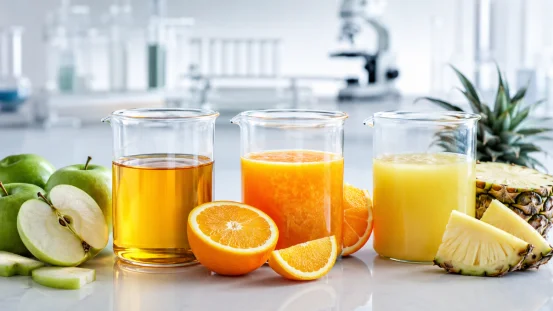
Juice Concentrate for Beverage Manufacturing: Apple, Orange & Pineapple
.jpg)
.jpg)