How to Choose a Beverage Production Line for Juice, Tea, Water and Carbonated Drinks
How to Choose a Beverage Production Line for Juice, Tea, Water and Carbonated Drinks
author
13th November 2026
A production-line enquiry can begin with a very short list. The drink, the bottle and the output needed for the first run will do. Comparing prices gets harder when that list is missing.
You might have two offers with identical hourly rates, yet no way to tell whether either rate applies to the product you intend to sell.
At Huafei, we use the product and factory brief to begin a beverage processing equipment discussion. You don’t need to have every engineering decision settled. Bring the uncertain points too.
Even bottles that look much alike can arrive at filling by quite different routes. Pulp in juice is one detail to flag; carbonation is another.
Choose the process before comparing machines
Start upstream of the filler. For juice, are you diluting concentrate or working with another starting material? Include the pulp in that description if it stays in the drink.
With tea, make clear whether the factory will brew it or use an extract. Otherwise the quotation could begin further downstream than the work you need done.
Don’t leave the water entry blank either. The incoming supply, proposed treatment and finished product specification belong in the brief. Writing water on a product list doesn’t give the equipment team enough to work with.
Then there is carbonation. For a carbonated product, the team quoting the line needs to address gas handling and the filling conditions explicitly. Follow their proposed route all the way to the closed pack. Who is supplying each part?
Gaps between stages are easy to overlook on separate machine quotations.
The treatment decision belongs here as well. The brief needs to say whether hot filling, cold filling or an aseptic arrangement is proposed. Each has implications for the process and package.
Leave the configuration open until your product team has confirmed the treatment and intended distribution conditions. If that decision is still open, say so in the enquiry. A bottle drawing cannot settle it for you.
Work back from saleable output
Use a simple planning exercise first. Imagine an order for 24,000 saleable bottles, with six productive filling hours available that day. Dividing the two gives 4,000 saleable bottles an hour.
This is an illustrative calculation, not the rating of a Huafei machine.
What has been left out? Stops, rejected packs and the time taken getting the run started, for example. The factory and equipment team still have to agree allowances.
A shift of eight hours also doesn’t automatically give eight hours of filling if operators spend part of it cleaning and changing formats.
The drink matters to the rate. So does the bottle size. Keeping the bottle count unchanged while increasing fill volume asks more of the liquid supply. There is little benefit in filling capacity that the preparation area cannot feed.
For our filling equipment enquiry, put the container beside the drink description, including viscosity and foaming where relevant. Check the wording around the rate in the offer.
A figure for the filler on its own and a figure for acceptable packs leaving the connected line answer different purchasing questions. The acceptance run should answer the same question as the quotation.
Use the intended drink and container when discussing an output target.
Check the bottle through the whole line
Send a drawing and, where practical, samples. Nominal volume is only part of the information. Neck finish, closure, outside dimensions and the container supplier’s tolerances help the equipment team check the pack at the points where it is handled.
Trace one bottle along the proposed layout. It enters empty, passes the filler and capper, receives its label and code, then moves towards packing. Each transfer deserves a look.
Fitting the nozzle is a good start, but there is more journey left after that.
Making bottles on site adds another handover. The bottle blowing equipment enquiry needs the preform and finished-bottle specification, along with the proposed transfer to filling. Ask the suppliers how the two outputs will be matched.
Buying both machines doesn’t, on its own, answer that question.
Several bottle formats mean several setups. Have the offer list the guides, handling parts and adjustments involved in each change. Who supplies them? Where will the spare set go?
Operators need a usable changeover procedure rather than a broad assurance that the line is flexible.
Include the transfer from bottle production to filling in the layout review.
Ask the factory about utilities before ordering
The site information should come from the factory where the line will stand. For an enquiry from Nigeria or elsewhere in West Africa, send the available supply details with the layout.
There is no advantage in letting the equipment team work from a guess about the building.
This is a job for the building team as well as purchasing. They can check the quoted electrical load against the available supply and identify the work needed for air, water, drains and heating or cooling connections.
Where the offer gives separate peak and normal demands, don’t lose either figure when passing the information on.
There is one more site question to put in writing. If power stops with drink already inside the system, what is the operating procedure? That answer depends on the product route and proposed equipment.
A backup generator may be part of the site’s plan, but the product already in process still needs attention.
Access can be surprisingly awkward on paper. Follow the delivery route through the entrance and doors to the installation position. Allow assembly space, then look again at the finished layout from an operator’s position.
Look for the space a person will occupy when operating, cleaning or servicing it; that space won’t appear in the machine footprint.
Allow room for cleaning and changeovers
Write a day’s products in their proposed running order. Suppose water follows a flavored drink. Put that sequence to the technical and quality teams and ask how carryover will be controlled.
They need to review the cleaning procedure for the proposed products on the proposed equipment.
Bring the cleaning tasks to our technical services discussion. Which sections stay assembled for cleaning, and which ones will an operator have to take apart or clean manually? Where cleaning features are optional, get their scope into the offer.
A picture in a brochure won’t tell you whether that option is included in your price.
Work through the operator’s tasks too. Allow time for draining and part changes, and for the checks before another product can start. Get the operating instructions and proposed training scope into the planning discussion.
You need something concrete to use when estimating that time.
Now revisit the output calculation. If the day contains several short runs, a substantial part of it may fall between products. It is worth comparing the proposed sequence with a simpler schedule before paying for more speed.
The line must fit the way the factory intends to sell and make its drinks.
Compare offers against one factory requirement sheet
A shared requirement sheet makes the comparison easier to read. Check where each supplier starts and finishes its scope.
If one price starts at preparation and the other starts at filling, there is still work to do before the totals can be compared.
Requirement field
What the factory should provide
What the offer should answer
Product route
Drink types, particles, treatment plan
Included process stages and exclusions
Output
Saleable demand and available hours
Rate basis for each product and bottle
Container
Drawing, closure and samples
Handling fit and change parts
Site
Utilities, layout and access
Connection needs and installation scope
Handover
Trial products and acceptance checks
Commissioning, training and documents
Keep a place for excluded costs. Freight, installation work, materials for commissioning and services outside the equipment supply can change the comparison. Assign the interfaces between suppliers to named responsible parties before treating the budget as complete.
Review connections and controls as part of installation and handover.
You can contact our equipment team with a first version of this brief. Include the drinks, bottles, output target and factory location, and mark any unresolved process choices.
We can use it at Huafei to discuss the equipment planning and technical support included in the project scope. There is no need to hide an unanswered question in the first enquiry.
Yes. We support bulk sourcing of food ingredients for dairy, beverage, bakery, confectionery, and related production projects. As a trading company, we coordinate supply through qualified partner resources and help clients improve sourcing efficiency across multiple product categories.
Yes. We support export coordination for food raw materials and related products, including shipment communication, documentation support, and delivery follow-up for African markets and other international destinations.
We help clients coordinate bulk sourcing across food additives, flavors, packaging materials, and related supply needs. This includes requirement matching, supplier coordination, quantity planning, and communication support throughout the sourcing process.
Yes. As a trading company, we help clients coordinate food ingredient sourcing from multiple qualified supplier resources in China. This can make it easier to manage different product categories, improve communication efficiency, and support more organized bulk purchasing.
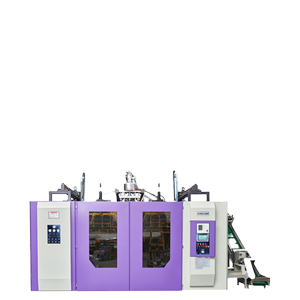
The Bottle Blowing Machine is designed for high-efficiency production of PET, PP, or PE plastic containers for the food and beverage industry. It features an integrated, intelligent control system that combines preform heating, stretch-blow molding, and shaping, making it ideal for producing bottles from 50ml to 5L for water, carbonated drinks, juices, and edible oils.
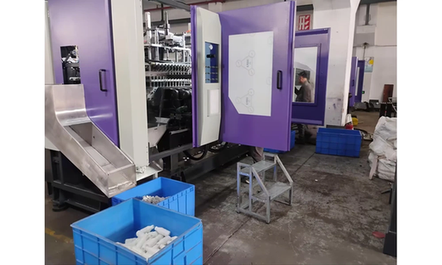
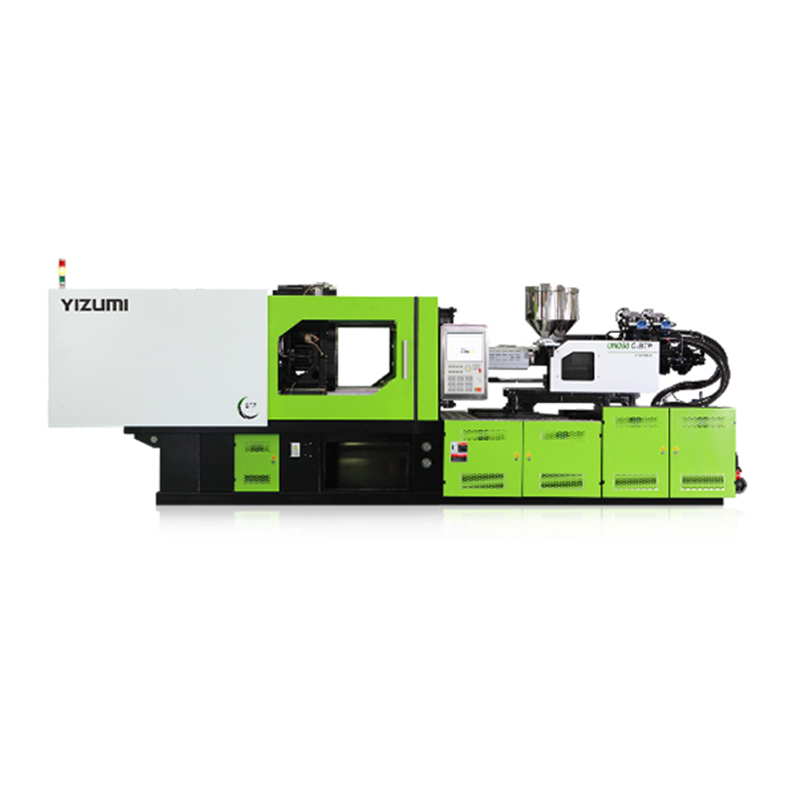
The Injection Molding Machine is designed for high-precision, efficient production of plastic food containers, caps, utensils, and components. It features precise process control, energy-saving servo drives, and a hygienic design, making it ideal for producing lightweight, complex, and high-hygiene plastic products for the food industry.
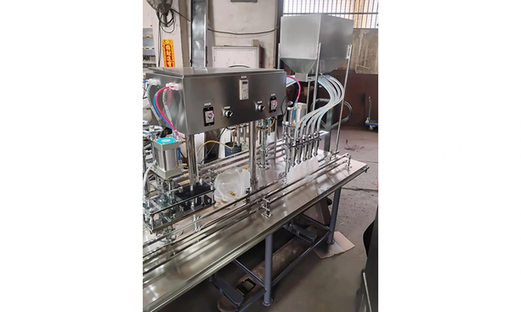
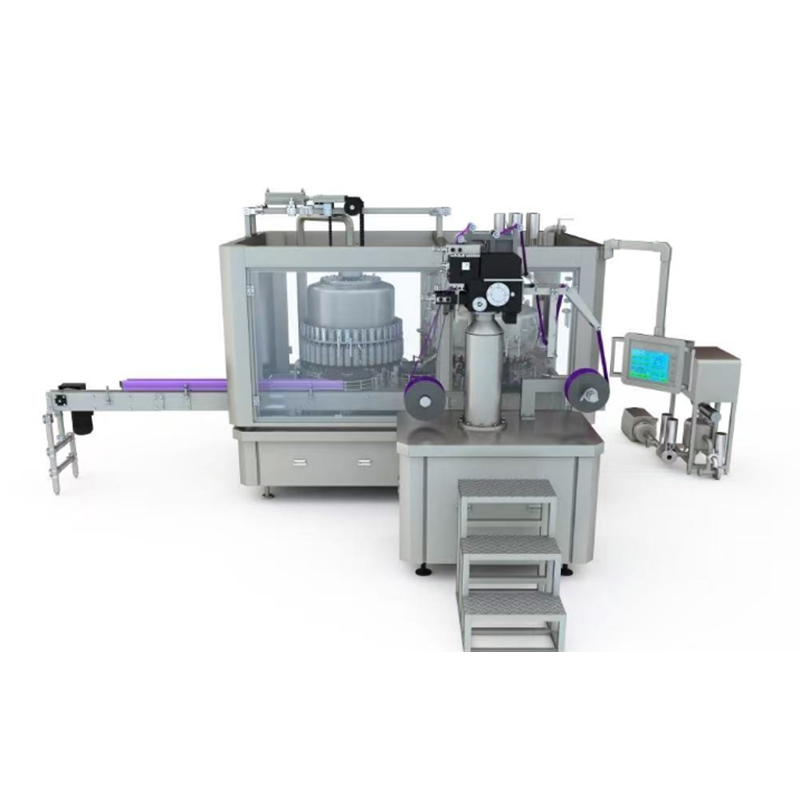
The Filling Machine is designed for high-speed, accurate, and hygienic filling of liquids, pastes, and semi-solids into various containers (bottles, cans, pouches, tubes). It features modular design, supports multiple filling technologies (gravity, piston, volumetric), and is ideal for beverages, dairy, sauces, and edible oils.
The Crusher is designed for efficient size reduction of food raw materials, herbs, spices, nuts, and dried fruits. It features a high-strength structure, controllable particle size output, and hygienic design, making it ideal for food processing, health product manufacturing, and condiment production