Choosing Food Packaging Containers: Size, Shape and Material for Your Production Line
Choosing Food Packaging Containers: Size, Shape and Material for Your Production Line
author
7th November 2026
Two containers can hold the same amount of food and still need different setups on the factory floor. One is taller. Another has a wider shoulder or a different mouth.
Before choosing between them, put the fill amount, outside dimensions and closure assembly on the same sheet. Then check the proposed material against the food and process.
At Huafei, we can use that description to discuss packaging materials and sourcing requirements. If you are approaching food packaging material manufacturers, send the same information with each enquiry.
A volume and a photograph leave rather a lot for someone else to decide.
Separate the fill amount from the container capacity
Begin with what you intend to put into the pack. A net fill describes the food being sold. Brimful capacity describes the container’s internal volume up to its opening. They belong in separate fields on the drawing.
Using the same word, capacity, for both invites a misunderstanding when samples arrive.
For a liquid, show the intended fill level as well as the amount. The space above that level needs review with the product and packaging teams. Its purpose and size depend on the process and closure.
There isn’t a headspace percentage to copy across every bottle, cup and food product.
A product sold by weight needs another conversation before a container volume is selected. Have the formulation team establish the working volume for the actual food. Consistency and trapped air may matter to that assessment.
Don’t borrow the volume from a different product simply because the labeled weights are alike.
Compare the drawing with a sample filled as intended. Does the proposed level sit where the team expected? Record the conditions of the check.
If the food or filling conditions change, revisit the capacity decision instead of assuming that an unchanged container size settles it.
Put height and footprint on the same drawing
A taller pack may give a brand more visible front area while creating a new clearance question on the line. A wider one changes the space occupied at the base. Look at height and footprint together before approving either change.
Mark the maximum outside dimensions, including handles, shoulders and other projections. The equipment team needs the envelope that actually passes between guides. A body measurement taken at its narrowest point won’t describe a shoulder that touches the handling equipment first.
Shape also affects how the container sits in a group. Sketch the proposed arrangement in a case or tray and identify where the containers touch. Is the case designed around the body, a handle or an overhanging closure?
Keep the proposed case dimensions with that sketch so another person can reproduce the arrangement.
For containers that will be stacked, ask the packaging team to set the loading and handling checks for the intended distribution route. A sample standing on a desk hasn’t shown how the filled pack behaves under that load.
Keep that question open until the agreed checks have been completed.
Avoid choosing solely on how efficiently an outline fits a case. A squared body, for example, also needs its orientation considered at handling points.
The useful comparison is the actual filled pack in its proposed arrangement, with the handling requirements alongside it.
Specify the complete neck and sealing assembly
Treat the mouth, closure and seal as one assembly to review. The outside diameter alone leaves out the details that allow parts to fit together.
Request the neck drawing and the matching closure reference, rather than asking for a cap that looks about the right size.
Where a foil seal is proposed, identify the container’s sealing surface and the sealing construction. Our sealing aluminum foil discussion needs that information.
A foil’s seal layer has to suit the proposed container and method; the appearance of its aluminum surface doesn’t establish the match.
Show which surfaces the equipment will locate or support during closing. Include the closed height in the dimensional review. It is easy to keep looking at the empty container drawing while the closure adds another feature the line must handle.
Have the responsible teams agree checks for the assembled pack, including leakage and opening behavior where relevant. No universal tightening setting is implied here.
Keep the closure supplier’s instructions and agreed operating conditions with the assembly reference so the review concerns the parts that will actually be used.
Screen the material against the intended use
Keep the dimensions provisional until the material and use have been reviewed together. A familiar resin name is a starting point for that discussion.
It does not describe every property of the finished container, or establish that a particular grade suits your food.
For instance, our HDPE material information includes bottle and container applications. For a specific proposal, identify the offered grade and the intended forming route. Ask the converter to assess it against the proposed shape and processing conditions.
If that assessment requires a change to the drawing, carry the change back to the fit review.
Describe the food-contact use and what happens during filling, closing and storage. Give the actual conditions rather than an unexplained request for heat resistance. The technical team can then assess the relevant grade and finished design.
This guide doesn’t assign a safe filling temperature to an unspecified container.
Evidence for a resin also has a defined scope. Have your quality team establish what is needed for the complete container, including relevant additions or other components. The result should identify the proposed pack and use.
It shouldn’t rely on a general material description to answer every suitability question.
Leave usable surfaces for labels and codes
Draw the usable label area between the features that interrupt it. A rib, shoulder or taper may reduce the panel available even though the total container surface looks generous.
Mark those limits before fitting text and graphics to a nominal width and height.
The surface matters when discussing container label materials. Explain the container material and whether the label will cross a curved or changing section.
External labeling has its own requirements; it does not establish the food-contact suitability of the container underneath it.
Reserve a place for the production code too. Show its position on the pack drawing and ask the team applying it to check access and readability.
A clear space in an artwork file may be difficult to reach once the container is moving through the equipment.
Compare candidate containers on one specification sheet
Give each candidate a column and fill in the same fields. Missing information then remains visible instead of disappearing behind an attractive sample.
This worksheet is for comparing the physical pack, so keep line-capacity and supplier-price discussions on their own records.
Field
What to record for each candidate
Decision to resolve
Fill and capacity
Net fill, brimful capacity, intended fill level
Does the proposed pack leave the required space?
Outside envelope
Maximum height, width, depth and projections
Which handling points need a fit check?
Grouped pack
Case or tray arrangement and contact points
How will the filled containers be supported?
Closing assembly
Neck drawing, closure reference and seal construction
Are the mating parts and method defined?
Material and use
Grade, forming route, food and process conditions
What finished-pack evidence is still needed?
Decoration
Usable label panel and code position
Can the chosen areas be labeled and read?
Use the sheet during the physical checks and record observations against the candidate concerned. If a guide has to move, note which dimension prompted it. If the closure changes, return to the assembly row.
That is more useful than one broad note saying the sample runs well.
For a factory in Nigeria or elsewhere in West Africa, give the review team the intended handling and distribution conditions. Specify the checks for that route with the people responsible for the product and package.
A short factory observation covers only the conditions observed.
To discuss a candidate, contact our packaging team with the drawing, fill amount and proposed closure. Include the food and process conditions, plus the worksheet rows still unresolved.
We can discuss material selection and supplier coordination within the agreed scope, using the container you intend to run as the reference.
Yes. We support bulk sourcing of food ingredients for dairy, beverage, bakery, confectionery, and related production projects. As a trading company, we coordinate supply through qualified partner resources and help clients improve sourcing efficiency across multiple product categories.
Yes. We support export coordination for food raw materials and related products, including shipment communication, documentation support, and delivery follow-up for African markets and other international destinations.
We help clients coordinate bulk sourcing across food additives, flavors, packaging materials, and related supply needs. This includes requirement matching, supplier coordination, quantity planning, and communication support throughout the sourcing process.
Yes. As a trading company, we help clients coordinate food ingredient sourcing from multiple qualified supplier resources in China. This can make it easier to manage different product categories, improve communication efficiency, and support more organized bulk purchasing.
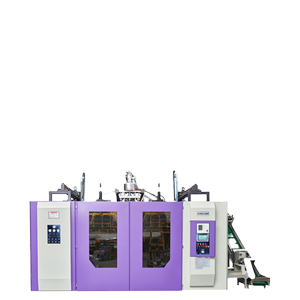
The Bottle Blowing Machine is designed for high-efficiency production of PET, PP, or PE plastic containers for the food and beverage industry. It features an integrated, intelligent control system that combines preform heating, stretch-blow molding, and shaping, making it ideal for producing bottles from 50ml to 5L for water, carbonated drinks, juices, and edible oils.
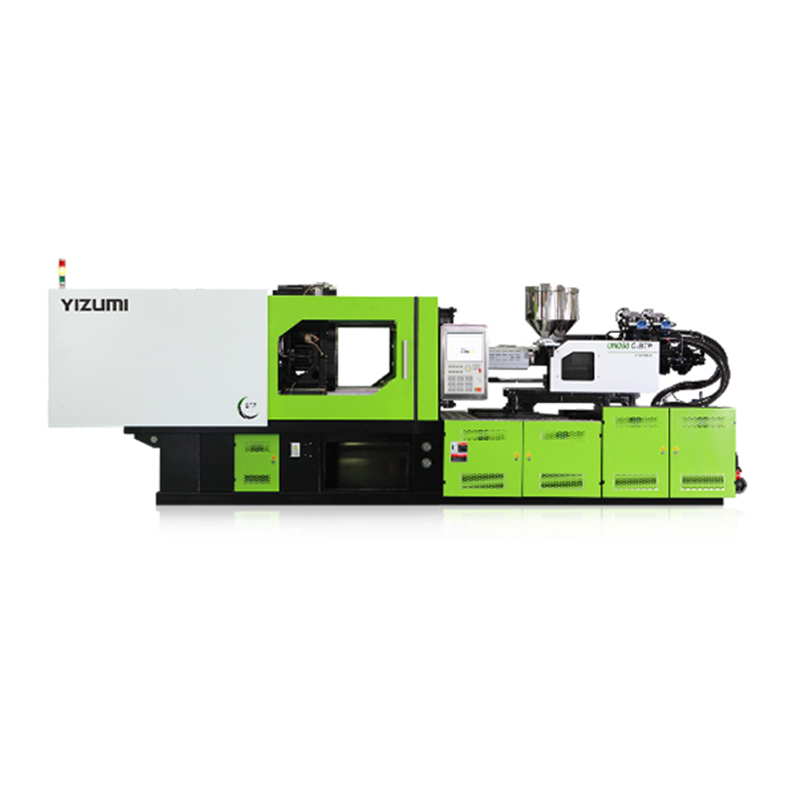
The Injection Molding Machine is designed for high-precision, efficient production of plastic food containers, caps, utensils, and components. It features precise process control, energy-saving servo drives, and a hygienic design, making it ideal for producing lightweight, complex, and high-hygiene plastic products for the food industry.
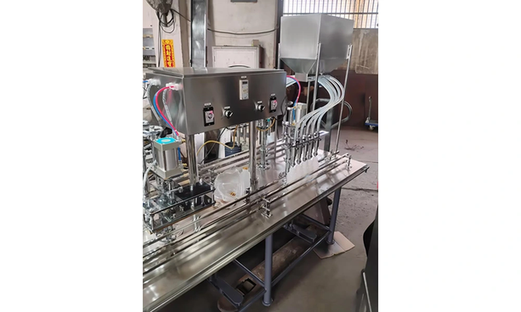
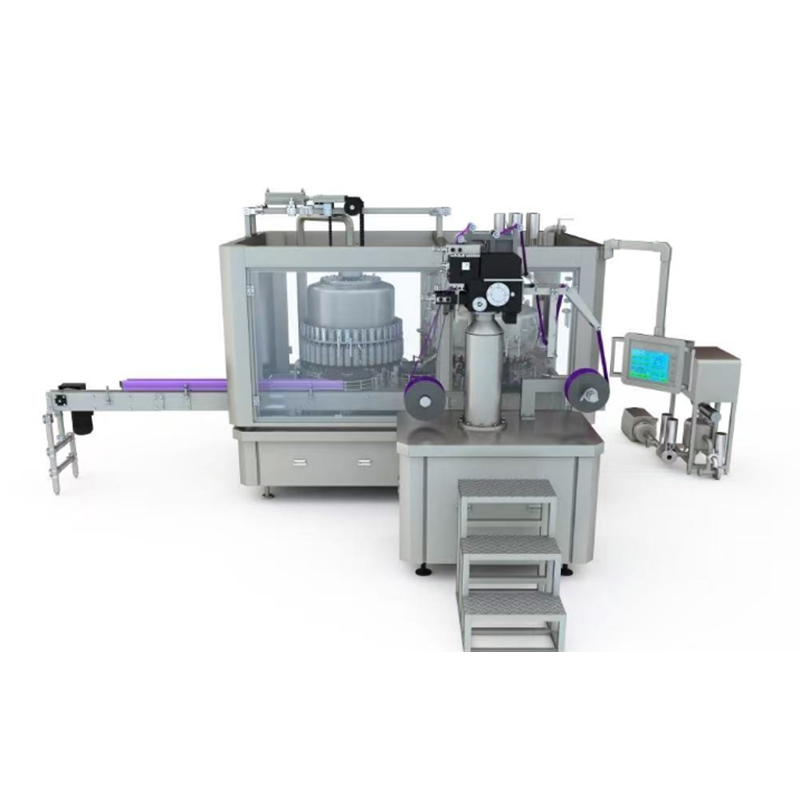
The Filling Machine is designed for high-speed, accurate, and hygienic filling of liquids, pastes, and semi-solids into various containers (bottles, cans, pouches, tubes). It features modular design, supports multiple filling technologies (gravity, piston, volumetric), and is ideal for beverages, dairy, sauces, and edible oils.
The Crusher is designed for efficient size reduction of food raw materials, herbs, spices, nuts, and dried fruits. It features a high-strength structure, controllable particle size output, and hygienic design, making it ideal for food processing, health product manufacturing, and condiment production