Food Packaging Containers for Powder, Liquid and Granular Ingredients
Food Packaging Containers for Powder, Liquid and Granular Ingredients
author
18th November 2026
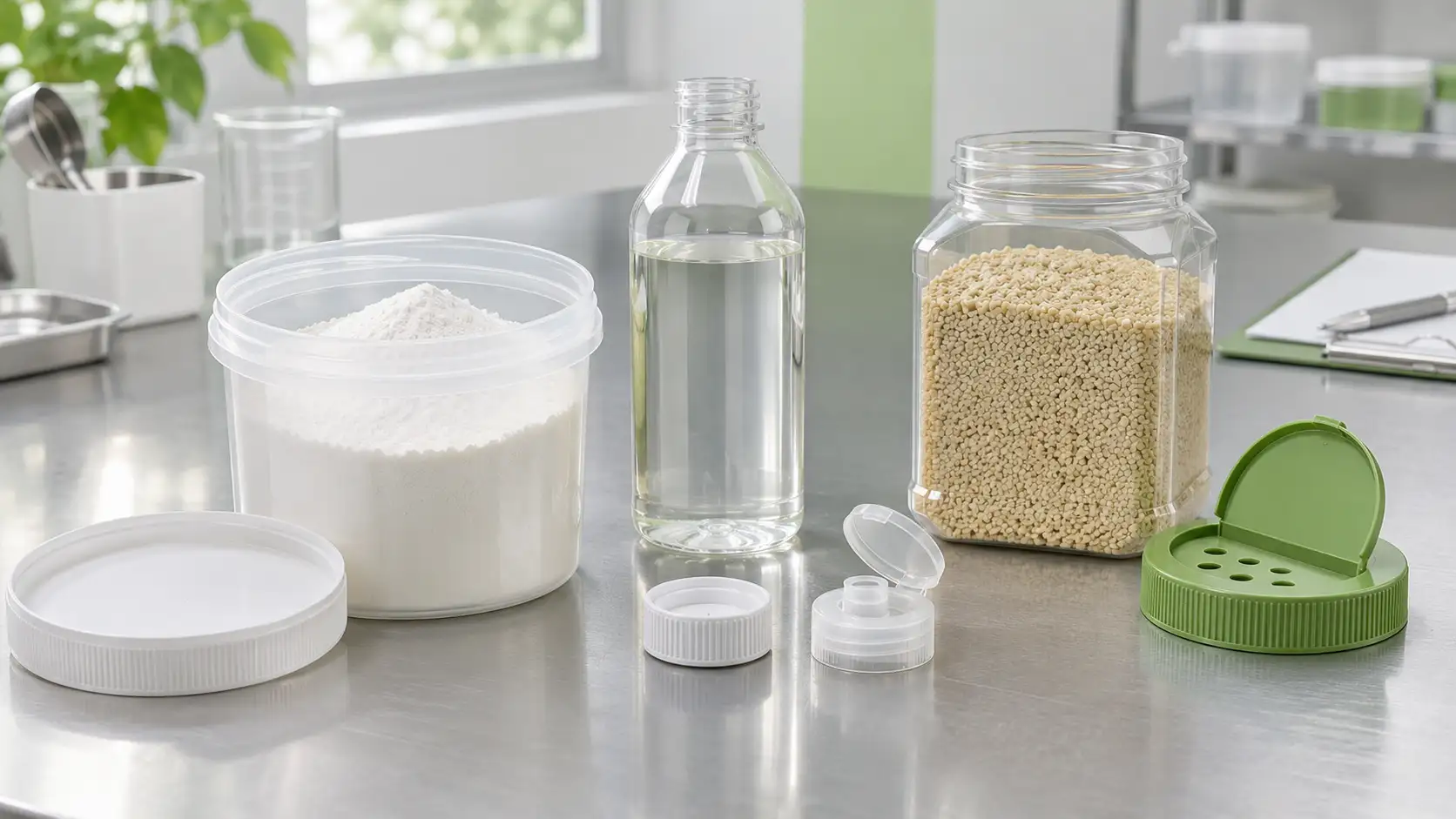
Holding the ingredient is only one part of package selection. Powder can contaminate a sealing area, liquid can remain around a closure, and sharp or irregular granules can challenge an unsuitable liner. Assess the whole task: filling on the intended line, closing the package, transport and use at the customer’s facility.
Start with the ingredient’s behaviour during transfer and use. Powders, liquids and granules place different demands on the filling opening, closure, protective layers and dispensing method.
The ingredient’s sensitivity matters alongside its physical form. Two powders may require different moisture protection, while two liquids may differ in viscosity, foaming and compatibility with the package.
For B2B buyers, a useful container specification connects those behaviours to an appropriate format.
How does the ingredient behave before it enters the container?
Describe the ingredient in terms the filling team can assess. A product name or photograph rarely captures how it moves through equipment.
For powders, record whether the material is fine, dusty, cohesive or prone to caking. Note whether it flows freely from the hopper or requires assistance.
For liquids, describe viscosity at the filling temperature, any foaming tendency and whether solids remain suspended in the product. State whether separation occurs during storage.
For granules, identify the approximate size range, irregular or sharp particles, and any tendency to break into fines.
These observations help define the work expected from the packaging materials. Where possible, include a representative sample and filling or discharge method.
Select a candidate format around that handling method. The options below are formats to evaluate, not a statement that every option is available from us.
Ingredient form
Candidate formats
Handling tradeoff
Powder
Wide-mouth rigid tub or pail; a suitable food-contact liner within a sack or drum
Rigid access can support scooping; a flexible liner needs controlled filling and closing
Liquid
Bottle or jerrycan for pouring; drum with a compatible transfer connection for larger operations
Assess leakage, residual product and the intended dispensing equipment
Granules
Wide-mouth pail or drum; lined sack where the ingredient and handling permit
Check discharge flow, abrasion, puncture and product breakage
The outer container and contact layer may serve different functions. Assess a lined drum as an assembly and identify which layer touches the ingredient and which supplies structural or protective support.
What should powder packaging control?
With powders, the filling process can affect seal quality. Dust may settle around the opening or become trapped on the sealing surface.
A wider opening may simplify filling or scooping, but the filling method still needs to keep the sealing surface sufficiently clean. Container selection and filling practice should be assessed together. In a trial, note how often powder reaches the sealing land, whether the operator needs a cleaning step and whether the same result holds across normal line variation.
Powder flow can change during handling as material settles, compacts or forms lumps. Evaluate the package with representative material rather than relying on its initial loose-fill appearance.
Assess moisture protection for the specific ingredient. Hygroscopic materials can absorb moisture and cake, but the required package depends on the product, storage conditions and intended shelf life.
Where a liner is used, specify whether it provides the contact surface, moisture protection or an inner closure. Trial the actual liner size and closure method; an oversized liner can fold into the seal area and an undersized one may lose support.
For ingredients sensitive to oxygen, assess that requirement separately. Moisture resistance alone does not establish adequate protection against oxidation.
Which container details matter most for liquids?
Liquid packaging needs dependable containment throughout filling, transport and dispensing. The closure interface is an obvious focus, but the product’s flow behaviour can reveal other difficulties.
Low-viscosity liquids can reveal leakage at the closure, while viscous products may remain on the sealing surface or drip after filling. Inspect the package after filling and again after handling in its intended orientation.
Foaming can complicate fill control and contaminate the mouth before closing. The production team should assess whether the filling method creates conditions the proposed package cannot handle consistently.
Material compatibility also belongs in the review. An ingredient containing oils, flavour compounds or other active constituents may behave differently from water in contact with a package.
Where a rigid plastic container is proposed, HDPE material may be one candidate for discussion. The finished container and the actual ingredient still need a suitable compatibility assessment.
Include dispensing in the trial. Use the customer’s transfer aid and record flow continuity, opening contamination and residual product by the agreed method.
Why do granular ingredients need a separate assessment?
Granules can present different handling issues from powders. Their size, shape and surface may affect both the liner and the discharge opening.
Irregular or abrasive particles may challenge a flexible liner. Fine fragments can collect around the closure, while larger pieces can interfere with dispensing.
Granules may bridge at a narrow passage rather than discharge continuously. The result depends on the ingredient and transfer setup, so test a representative sample through the proposed opening. Record interruptions and whether normal operating steps clear them. A single successful demonstration does not establish routine performance.
A granular ingredient that pours freely at filling may later become less mobile if it absorbs moisture or experiences conditions that encourage caking. The package should therefore protect the product over the proposed route.
Ask how the customer measures the ingredient. A scoop, controlled pour and full-container discharge can require different access arrangements.
How should buyers compare candidate formats?
Use the main handling risk to structure the comparison. Before testing, agree on acceptance criteria, such as a clean sealing area, no observed leakage under the defined test, or consistent discharge without unacceptable particle damage.
The following worksheet keeps the assessment tied to the product.
Ingredient behaviour
Packaging question
Useful trial observation
Fine powder creates dust
Can filling keep the sealing area clean?
Product deposited around the mouth and seal
Powder absorbs moisture
Does the complete package provide the required protection?
Caking or other agreed changes during assessment
Liquid foams during filling
Can the filling and closing sequence control contamination?
Foam or product reaching the closure interface
Viscous liquid clings to surfaces
Can the customer empty the package acceptably?
Residual product after the intended dispensing method
Granules contain sharp particles
Is the contact layer resistant to handling damage?
Liner damage following representative handling
Granules bridge at discharge
Does the outlet support consistent flow?
Interruptions during emptying
A foil sealing membrane may be relevant where an additional seal is required. Its construction must match the container and sealing process.
What changes when the package is opened repeatedly?
B2B ingredients are not always consumed in one operation. A customer may open the same container several times during production. Clarify the expected number or pattern of openings and whether the container returns to storage between uses; that changes which observations matter after the original seal is broken.
A reclosable lid does not recreate an unopened seal. If the ingredient is sensitive to moisture or contamination, agree how it should be stored and used after opening.
The opening also needs to support the customer’s tools. Scoops, transfer hoses and pouring aids should fit without unnecessary contact with external surfaces.
For repeated-use applications, trial the opening and closing sequence at the customer’s facility and record spills, damaged closures and difficulty keeping the opening clean.
What should an ingredient-packaging enquiry contain?
Prepare a handling profile rather than asking only for a container price. Include the ingredient form, its main sensitivities and how it will be filled and emptied. Add any agreed acceptance observations, such as seal-area cleanliness, leakage after handling, discharge interruptions or residual product, so candidate formats can be compared on the same basis.
For powders, add dust and caking observations; for liquids, viscosity, foaming and contact concerns; for granules, particle shape, fines and discharge behaviour.
State whether the package is intended for one-time emptying or repeated use. Identify the proposed storage and distribution route, especially where the material will be imported and then held before delivery.
At Huafei, we can use this information to frame a packaging-material enquiry and coordinate sourcing questions. Include a description of the ingredient’s handling behaviour, plus photographs or existing specifications where available.
The useful sample trial follows the ingredient from filling to customer use. Keep sample identity, handling method and observations so the result can be reviewed after a change.
FAQ
What is the best packaging container for powdered food ingredients?
The best format depends on powder flow, dust generation, moisture sensitivity and filling method. Wide-mouth rigid tubs or pails can support filling and scooping, while lined sacks or drums may suit other handling requirements. Test the complete package with representative powder before approval.
How do I choose packaging for liquid food ingredients?
Consider viscosity, foaming, material compatibility, closure integrity and dispensing requirements. Bottles, jerrycans and drums are possible formats. Evaluate the filled container under representative handling conditions, including leakage, product remaining around the closure and residual liquid after dispensing.
What packaging is suitable for granular food ingredients?
Wide-mouth pails, drums or suitable lined sacks may be considered. Particle size, shape, abrasion and discharge behaviour determine which format is appropriate. Test whether granules damage the liner, collect around the closure or bridge at the dispensing opening.
Is HDPE suitable for all food ingredients?
No. HDPE may be a candidate for certain rigid food ingredient containers, but suitability depends on the actual ingredient, finished packaging construction and intended storage and use conditions. Material compatibility and applicable food-contact requirements must be assessed before approval.
How can packaging protect food powders from moisture?
Moisture protection depends on the complete packaging assembly, including the container, liner and closure. Hygroscopic powders may require additional protection against moisture absorption and caking. Evaluate the proposed package under storage conditions relevant to the ingredient and intended shelf life.
Can food ingredient containers be opened and reused during production?
Some containers are designed for repeated opening and closing, but a reclosable lid does not restore the original unopened seal. Assess closure durability, contamination risks, moisture exposure and compatibility with the customer’s dispensing tools. Establish appropriate storage and handling procedures after opening.
Yes. We support bulk sourcing of food ingredients for dairy, beverage, bakery, confectionery, and related production projects. As a trading company, we coordinate supply through qualified partner resources and help clients improve sourcing efficiency across multiple product categories.
Yes. We support export coordination for food raw materials and related products, including shipment communication, documentation support, and delivery follow-up for African markets and other international destinations.
We help clients coordinate bulk sourcing across food additives, flavors, packaging materials, and related supply needs. This includes requirement matching, supplier coordination, quantity planning, and communication support throughout the sourcing process.
Yes. As a trading company, we help clients coordinate food ingredient sourcing from multiple qualified supplier resources in China. This can make it easier to manage different product categories, improve communication efficiency, and support more organized bulk purchasing.
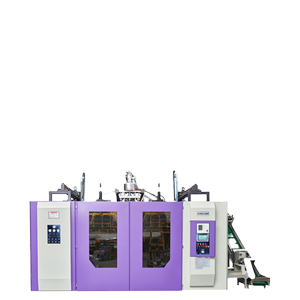
The Bottle Blowing Machine is designed for high-efficiency production of PET, PP, or PE plastic containers for the food and beverage industry. It features an integrated, intelligent control system that combines preform heating, stretch-blow molding, and shaping, making it ideal for producing bottles from 50ml to 5L for water, carbonated drinks, juices, and edible oils.
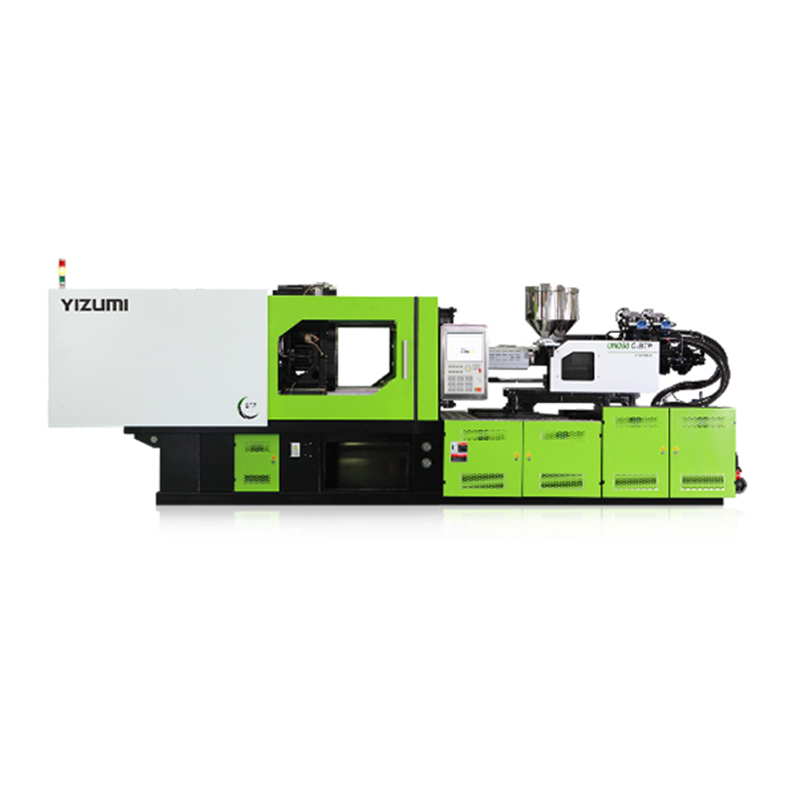
The Injection Molding Machine is designed for high-precision, efficient production of plastic food containers, caps, utensils, and components. It features precise process control, energy-saving servo drives, and a hygienic design, making it ideal for producing lightweight, complex, and high-hygiene plastic products for the food industry.
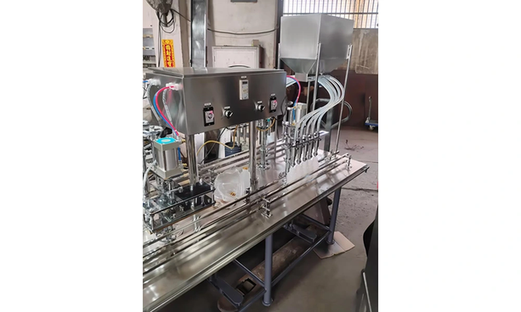
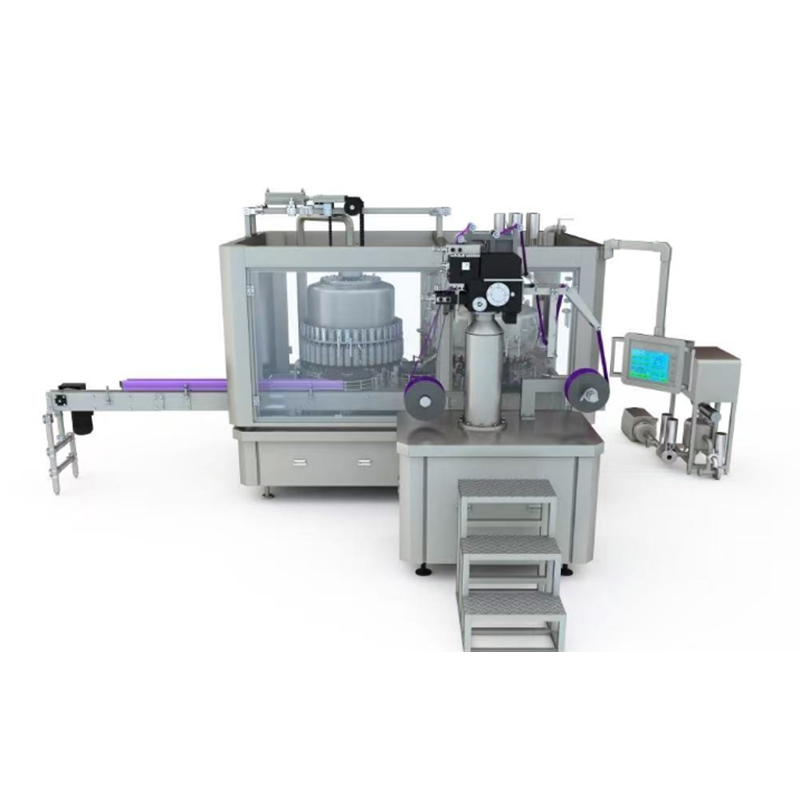
The Filling Machine is designed for high-speed, accurate, and hygienic filling of liquids, pastes, and semi-solids into various containers (bottles, cans, pouches, tubes). It features modular design, supports multiple filling technologies (gravity, piston, volumetric), and is ideal for beverages, dairy, sauces, and edible oils.
The Crusher is designed for efficient size reduction of food raw materials, herbs, spices, nuts, and dried fruits. It features a high-strength structure, controllable particle size output, and hygienic design, making it ideal for food processing, health product manufacturing, and condiment production