Nullam dignissim, ante scelerisque the is euismod fermentum odio sem semper the is erat, a feugiat leo urna eget eros. Duis Aenean a imperdiet risus.
Nullam dignissim, ante scelerisque the is euismod fermentum odio sem semper the is erat, a feugiat leo urna eget eros. Duis Aenean a imperdiet risus.
 author
Before opening an apple-flavor sample, look at the trial sheet. Does it say where to add the sample and how to mix it in?
If those spaces are blank, the aroma description is only part of what the trial team needs. Work out the addition with the supplier while the trial is being planned.
Tell us at Huafei what food you are making when you enquire about food flavors and fragrances. We need to discuss a food-grade product for that use.
Do keep non-food fragrances out of the request; aroma similarity isn’t a reason to put them into food.
Begin the trial notes with the base, then follow what happens after the flavor goes in. Keep that route beside the trial sheet. If the result disappoints, it gives the team somewhere to start looking before changing the formula.
It is tempting to settle on liquid or powder at the start. Give the supplier a description of the food before making that choice.
A supplier answering an enquiry about a clear drink has a different mixing problem to consider from one about a thick dessert. A snack coating or dry seasoning needs its own description too.
For apple flavor, the name gets the aroma discussion started. The code and form take it further. Find out whether the code being offered identifies a powder, a water-soluble liquid or an oil-soluble liquid.
The form is part of matching the product to processing needs. Availability also needs checking for that code, rather than being assumed from the range as a whole.
For the drink trial, establish what the proposed material should do in the water phase. Dissolving and dispersing are worth distinguishing in that discussion. In a fat-rich component, describe the phase into which it will be introduced.
For powder, explain how a small addition will be distributed through the much larger quantity of base.
Describe the moment of addition as well as the finished food. What is in the vessel then? Give its temperature and say whether thickening has already happened, or whether oil and protein are present.
None of those observations gives a complete specification. They do give the supplier something more useful than just the finished product’s name.
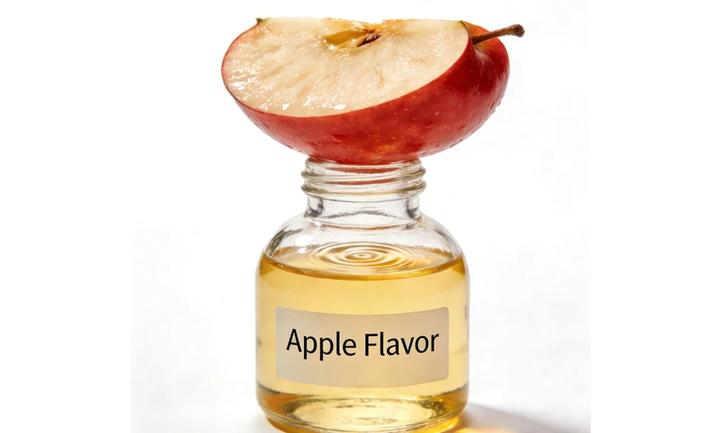
Check the offered grade and form as well as the flavor name.
Where does the addition go first? Name the first place it goes, whether that is the main vessel or a smaller preparation step. Write down what production will actually do.
A small measured quantity has to reach the whole batch, and the addition point is only the beginning of that job.
If preblending is recommended, get the preparation instructions for the offered grade. The material used for that preparation also belongs in the formula. Choosing a convenient solvent without checking suitability can leave the factory with another problem to solve.
When discussing milk flavor, send the dairy-style base description with the request. A water test can be easy to arrange.
It still leaves you with a trial to do in the intended food, particularly if that food contains fat or is thick. Label the trial notes accordingly so the two results don’t get confused later.
Dry blends raise a different practical issue. The concentrated addition may enter at one spot and must then be spread through the mix. One portion may be strong and the next rather bland.
Before adding more to the next batch, check how the first addition spread and when it went in. More of it won’t explain why those portions were different.
An instruction to add during mixing sounds clear until there are two mixing stages. Put the addition on a simple process drawing. Show what follows it, including heating, holding, cooling or application to a coating.
You can then ask about a specific exposure. Is this offered grade suitable before the proposed heat step? Should a different point be considered? Heat stability needs that context.
A general claim on its own doesn’t establish how a flavor will perform in your process, and there isn’t one temperature limit that fits every food flavor.
Moving an addition later is also a process change. The possible aroma benefit doesn’t authorize a move past a safety-critical treatment. Put the proposed change to the team responsible for hygiene controls before trying it in production.
A bakery brief can make this easier to picture. An addition to dough will be baked with it. A filling added after baking takes another route.
Even with the same requested profile, the grade discussion and trial have to follow the component being flavored. Naming the component early avoids spending the trial comparing two different jobs.
The table leaves room for four separate application discussions. Choose the row closest to the food you are developing and fill in the actual conditions on your trial sheet.
There is no recipe implied by the comparison, or a grade specified for all four.
| Food system | Describe the entry route | Check after the relevant step |
|---|---|---|
| Water-based beverage | Liquid phase, mixing and treatment sequence | Distribution, appearance and finished aroma |
| Dairy dessert | Fat, protein, thickness and addition point | Flavor in the complete chilled or served base |
| Baked component | Addition to dough or batter before the oven | Character remaining after baking and cooling |
| Snack coating | Coating medium and method of application | Even coverage and variation between portions |
If you are asking about coconut flavor for a snack coating, describe the coating operation in the enquiry. The factory might apply a dry seasoning, or it might use a liquid medium.
That information helps the supplier discuss the form alongside the aroma you have requested.
Give candidates a common starting point during comparison. A comparison becomes harder to interpret if one candidate goes inside the snack while the other goes on its surface. Keep the route fixed to start with.
When you do change it, record the change beside the finished-portion observations.
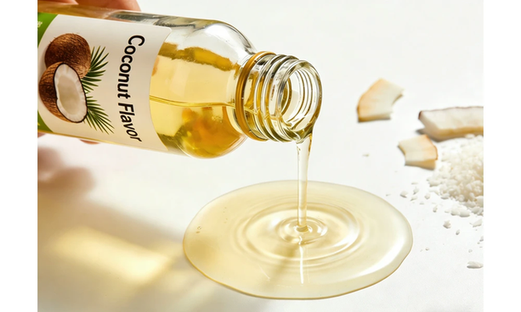
The sample request should describe how the factory applies its coating.
First, is it weak everywhere? That question separates two useful lines of enquiry. A uniformly faint result needs a different discussion from a batch containing both strong and bland portions.
The second result gives you a reason to look closely at handling and mixing.
Return to the batch record. Look at the weighing entry and ask when the addition was made. Check the transfer container too; some of the measured amount may still be there. Then compare the preparation used with the trial instructions.
Account for those steps before deciding whether the formula needs changing.
If the change appears after heating, compare samples from defined stages under consistent serving conditions. Write down when the difference becomes noticeable. That observation can help the technical discussion, although it doesn’t prove the chemical cause of the change.
Storage needs its own record. Write down the packaging used, where the samples were held and how long they had been there when assessed. A result recorded only as weak after storage leaves too much unknown for the technical team.
Increasing the amount again may change cost and sensory balance while the underlying question remains open.
Use the offered product’s guidance to set any trial range. The final addition level and labeling implications need the relevant product and market review. A general application article cannot supply that decision for an unspecified grade.
An acceptable sample is a starting point for production instructions. Keep the flavor code and form with the formula revision. Add the weighed quantity, preparation method, addition point and mixing conditions so a second operator can follow what was approved.
There should also be a usable reference for the result. Good aroma is rather little information to hand to the next shift. Leave the next shift the sample references and the assessment conditions, including serving and process stage.
Those notes become a starting point if the production result doesn’t match the approval.
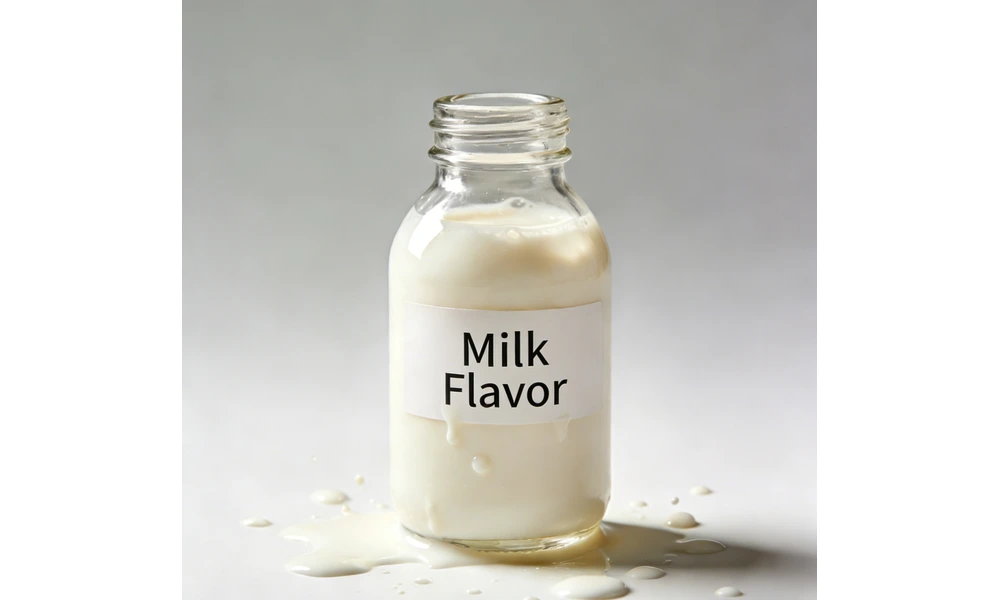
Keep the intended dairy base and processing conditions in the trial record.
For a finished food sold in Nigeria or another West African market, include the storage and distribution conditions you expect it to face. A short trial represents the conditions used in that trial.
The intended route to the customer needs to be part of the evaluation plan too.
To discuss an application with us, contact our flavor team with the base, component and process sequence. Add the proposed addition point, the grade under consideration and any result that needs investigation.
We can then begin with the food and the process you have described.