Nullam dignissim, ante scelerisque the is euismod fermentum odio sem semper the is erat, a feugiat leo urna eget eros. Duis Aenean a imperdiet risus.
Nullam dignissim, ante scelerisque the is euismod fermentum odio sem semper the is erat, a feugiat leo urna eget eros. Duis Aenean a imperdiet risus.
 author
Citrus flavors remain top picks in the beverage world. They bring freshness, a great smell, and clear taste fast. Lemon, lime, orange, grapefruit, and yuzu make drinks light and bright.
They add energy without changing the drink’s main style. For makers, the real trick is making this classic taste stand out in a busy market.
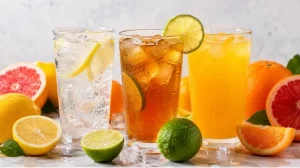
Citrus tastes and feels great. The sourness gives a crisp first sip, while peel oils bring a strong smell before you even taste the drink. This mix gives citrus a huge impact at very low amounts.
Lemon means cool, while lime feels much sharper. Orange brings sweet comfort, and grapefruit adds a bitter, grown-up touch. Shoppers notice this instantly when scanning a fridge. You only have seconds to show how your drink tastes, so a bold citrus hint does the job fast without long explanations.
The same citrus base changes easily. Mix lemon with herbs for an adult sparkling drink, or put orange in black tea for a smooth feel. Try lime with caffeine for sharp energy drinks. Test three citrus ideas with your base: one for juice, one for peel smell, and one for sourness. The changes might shock you.
Soft drinks are perfect matches because bubbles lift smells and make sourness feel cleaner. Today, however, buyers want much more than basic lemon-lime.
Drink makers now mix normal citrus with herbs, tropical fruits, and cool feelings. A mixed soft drink could start with lime, shift to mandarin, and end with mild grapefruit. It feels very new but remains easy to recognize.
Bubbles, sugar types, and acids alter citrus taste. Heavy bubbles make flavor shine but can expose bad peel tastes. Less sugar makes lemon weak or too sour. Always do taste tests at serving temps, because a warm flavor might taste way too harsh over ice.
Tea drinks need flavor help but must keep their real tea taste. Citrus adds lift and smell while leaving plenty of space for natural floral traits.
Yuzu, calamansi, bergamot, and blood orange make very distinct tea drinks. Green tea fits well with lime or yuzu, while black tea handles orange or lemon peel. Get the dosage right. Too much sourness makes tea weak, and too much peel hides the real tea flavor.
Yes, but the mix requires careful balance. Less sugar means more sourness and bitterness. A natural citrus flavor helps, but it cannot fix everything. Always test sweet, sour, and smell together.
Energy drinks need a quick sense hit. Citrus gives that exact kick with smell and sourness. This is why lemon, lime, orange, and grapefruit pop up constantly.
Caffeine, vitamins, and minerals taste bitter or metallic. Citrus hides these bad tastes and makes the end taste much cleaner. Flavor masking relies on your whole mix, so a citrus hint might rock in a bubbly drink but fail flat. Always test the final product.
A sharp start grabs attention, but an overly sour finish ruins drinkability. Good flavors mix bright citrus with soft fruits, like orange with mango. Ask your taste team: “Would you take another sip five minutes later?”

Citrus flavor health relies heavily on processing, packing, and storage. Heat, air, light, and acids quickly alter smell and color. Peel notes fade fast, while other parts get harsh.
Careful weighing and watching temps keep flavor fresh during production. For citrus drinks, always test before filling, after heating, and on the shelf. A great taste on day one is simply not enough.
Blocking light and air protects weak citrus notes. PET, glass, and cans all store drinks differently. Check your packing match early, especially for clear bottles under bright lights.
A good supplier offers real help beyond just a list. HUAFEI supplies food flavors and fragrances for beverage uses, providing strong product support to match flavor to your final drink. Their line covers fruit and citrus concepts for soft drinks, tea drinks, and energy drinks. Discuss sweet balance, sourness, and market needs with them.
The company also brings wide ingredient sourcing via its trading platform, keeping your exact taste goal steady from testing to mass making. A top supplier compares versions, explains limits, and gives clear specs.
Q1: Why Are Citrus Flavors Popular in Soft Drinks?
A: They bring a known smell, fresh sourness, and big impact with bubbles.
Q2: Which Citrus Flavors Work Best in Tea Drinks?
A: Lemon, yuzu, lime, bergamot, mandarin, and blood orange do great, depending on tea and sugar levels.
Q3: Can Citrus Flavors Hide Bitterness in Energy Drinks?
A: They soften metallic tastes, but results rely on caffeine, vitamins, minerals, and sugars in the mix.
Q4: How Do You Improve Citrus Flavor Stability?
A: Test taste during mixing and shelf life. Look closely at air, light, heat, pH, and packing.
Q5: What Should You Ask a Citrus Flavor Supplier?
A: Ask about sample changes, safe amounts, heat handling, test data, and scale-up help.


.jpg)


.jpg)