Nullam dignissim, ante scelerisque the is euismod fermentum odio sem semper the is erat, a feugiat leo urna eget eros. Duis Aenean a imperdiet risus.
Nullam dignissim, ante scelerisque the is euismod fermentum odio sem semper the is erat, a feugiat leo urna eget eros. Duis Aenean a imperdiet risus.
 author
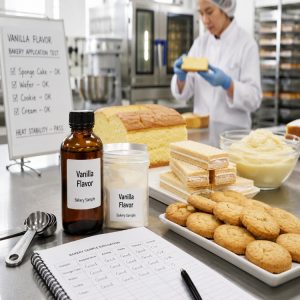
Vanilla flavor comes up in buying conversations all the time. Not because it is fashionable. It is just useful. One bakery customer may be checking it for sponge cakes or cream-filled wafers. Another plant may be running dairy trials for yogurt drinks, ice cream or milk-based desserts. In each case, the buyer is usually looking for the same thing: a flavor that makes the product feel familiar and finished.
That sounds easy until the factory test starts. The sample bottle may smell fine on the desk, then fade after baking. Another sample may work in a biscuit and feel too sharp in a chilled dairy base. At HUAFEI, we usually treat vanilla as a production ingredient first. The aroma matters, of course, but the process decides whether it can be used.
For buyers comparing food flavors and fragrances, vanilla is a practical place to start. It fits many recipes. Even so, sample testing, document checking and supply planning should happen before a bulk order.
Some flavors sell because they feel new. Vanilla flavor sells because shoppers already understand it. In many markets, a plain cake, wafer cream, dairy drink or frozen dessert with a light vanilla note does not need much explanation on the shelf.
Manufacturers notice that. A flavor that works in one short campaign may sit in the warehouse after the campaign ends. Vanilla has a better chance of moving through regular production because a factory can test it in more than one product line.
It also plays well with other profiles. In a bakery filling, vanilla may sit behind milk flavor or cream flavor notes. In a dairy drink, it can round off the base and make the product feel less flat. In a dessert product, it may be the main direction. The job changes from formula to formula, so the sample choice should change too.
Bakery applications are usually where heat stability becomes the first concern. Cakes, cookies, biscuits, wafers and baked fillings all put vanilla flavor through heat, mixing time and moisture changes. A strong smell before baking is only a starting clue. The baked product gives the real answer.
When we discuss vanilla flavor for bakery use, we like to ask where it enters the process. Is it mixed into batter? Added into a cream filling? Used in a dry blend? Does the product go through high heat, or only a mild process? These small details affect the right form and dosage.
Testing should include the baked product, not just the raw mix. Check the aroma after cooling. If the product will be packed, check it again after storage. Some samples seem fine at first and then lose their clean vanilla character later. Others look less impressive in the bottle but behave better in the finished product.
Dairy work needs a slower check. Yogurt drinks, ice cream, milk-based puddings and cream-style desserts each carry their own base notes. One vanilla sample may feel soft in one dairy base and too pointed in another.
This is why a water test is not enough. It may show whether a sample dissolves, but it will not show how the flavor behaves in the real product. Fat level, acidity, processing temperature and storage condition can all change the final taste.
For dairy manufacturers, aftertaste is worth checking slowly. Taste the product after processing, after chilling and again after a short storage period. If the vanilla note turns harsh, thin or out of place, the R&D team wants to know during the trial, not after a production run.

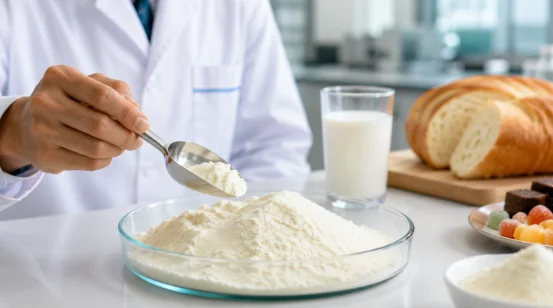
Suppliers usually offer vanilla flavor as liquid or powder. Some liquid products are water-soluble, while others are oil-soluble. Powder products can be easier for dry blending, especially when the factory wants a clean dosing step in a premix.
No form wins in every bakery or dairy product. A biscuit dough, cake batter, cream filling, yogurt drink and ice cream mix all handle flavor differently. The practical question is not “which form is better?” It is “which form fits this process without creating extra problems?”
Uneven dispersion shows up later as uneven finished goods. A poor match with the base can make the aroma feel separate from the product. A reliable flavors supplier should help narrow the options before the buyer spends time on too many samples.
Before bulk purchasing, sample testing should be more than a quick tasting meeting. A useful test records the sample code, dosage, formula, process, tasting date and comments. That record sounds boring until the factory needs to repeat the same result three months later.
For bakery trials, compare samples at the same dosage range and with the same baking process. If one sample is tested in a cake and another in a wafer filling, the result will not tell much. Keep the base and process consistent, then decide.
For dairy trials, test in the real base. Check the product cold if it will be sold cold. If the finished product sits in distribution for a while, keep a retained sample and taste it again. R&D teams often learn more from the second tasting than from the first one.
Purchasing also needs to be in the room early. A beautiful lab result is not helpful if the dosage is too high for the target cost, or if the supplier cannot support stable repeat orders. Sample approval and bulk supply should be discussed together.
Vanilla flavor is judged by taste, but the order still needs paperwork. Buyers may ask for a specification sheet, certificate of analysis, ingredient information, labeling support and export documents. The exact set depends on the customer and destination market.
Label wording also deserves care. For example, U.S. regulation 21 CFR 101.22 explains how flavoring terms may be used on food labels. A factory selling into another market may follow different rules, but the practical habit is the same. Review the flavor description and label wording early.
At HUAFEI, our work covers sourcing, supplier qualification, document coordination, warehousing and logistics planning. If you are comparing a dairy flavor supplier or a broader flavors supplier, ask how they handle repeat supply after sample approval. Our procurement management service helps keep that process clearer from trial order to later shipment.
For vanilla flavor, repeatability is especially important. Once a factory builds a bakery or dairy product around one approved sample, changing the flavor later can create extra testing work. A stable supply plan should cover lead time, packaging, batch consistency and documents before the first larger order is placed.
New food flavors will keep appearing. That is good for the market. Vanilla flavor keeps its place because it does a less glamorous job: it makes many products feel complete without making them difficult to sell.
A factory can use it as the main profile in a dairy dessert, as a background note in a bakery filling, or as part of a wider flavor system. It works best when the buyer treats it with the same care as any other production ingredient.
So the decision should not stop at “this sample smells nice.” Test it in the real formula. Check heat stability, solubility, dosage, aftertaste, documents and supply. Once those points are clear, bakery and dairy manufacturers can use vanilla with much less guesswork.
Common uses include cakes, biscuits, cream fillings, yogurt drinks, ice cream and milk-based desserts.
The process decides. Liquid vanilla flavor may fit batters or fillings. Powder vanilla flavor may fit dry blends or premixes. Test the sample in the actual formula.
Use the real formula, normal dosage range and normal process. For bakery products, taste after baking and cooling. For dairy products, taste after processing, chilling and storage.
Buyers should confirm flavor profile, form, dosage, solubility, heat stability, documents, packaging, lead time and batch consistency.

Juice Concentrate for Beverage Manufacturing: Apple, Orange & Pineapple

.jpg)

.jpg)